Fruchtbarkeitstests: Der vollständige Leitfaden zum Verständnis Ihrer reproduktiven Gesundheit


Fruchtbarkeitstests: Der vollständige Leitfaden zum Verständnis Ihrer reproduktiven Gesundheit
Einer der stärksten Schritte, die ein Paar unternehmen kann, ist, den Zustand ihrer Fruchtbarkeit zu verstehen – nicht nur bei Problemen, sondern proaktiv, mit Wissen und Absicht. Fruchtbarkeitstests sind zugänglicher, ausgefeilter und klinisch bedeutungsvoller als je zuvor. Egal, ob Sie gerade erst mit dem Kinderwunsch begonnen haben oder schon länger versuchen, ein klares Verständnis darüber, was diese Tests messen, was sie aussagen können und wie man die Ergebnisse interpretiert, ist von unschätzbarem Wert.
Dieser Leitfaden deckt das gesamte Spektrum der Fruchtbarkeitsuntersuchungen ab – von einfachen Hormonpanels bis zu fortgeschrittenen Diagnostiken – für Frauen und Männer.
Wann sollten Sie eine Fruchtbarkeitstestung in Betracht ziehen?
Standardrichtlinien empfehlen eine Fruchtbarkeitsuntersuchung nach:
- 12 Monate regelmäßigen, ungeschützten Geschlechtsverkehrs, wenn die Frau unter 35 ist
- 6 Monate, wenn die Frau 35–39 Jahre alt ist
- Sofort oder nach 3 Monaten, wenn die Frau 40 Jahre oder älter ist
Eine Untersuchung ist jedoch früher angebracht, wenn einer der Partner folgende Risikofaktoren aufweist:
- Unregelmäßige oder ausbleibende Menstruationszyklen
- Bekannte oder vermutete Endometriose
- Frühere Beckeninfektionen (Chlamydien, PID)
- Frühere Becken- oder Bauchoperationen
- Bekannte männliche Faktoren (frühere Samenanomalien, Hodenoperation)
- Wiederholter Schwangerschaftsverlust (2 oder mehr Fehlgeburten)
- Krebserkrankungen in der Vorgeschichte
- Familiäre Vorgeschichte von vorzeitigem Eintritt der Menopause
Und für diejenigen, die einfach ihren Grundstatus der Fruchtbarkeit verstehen möchten – noch bevor sie aktiv versuchen – wird proaktive Testung immer beliebter und klinisch sinnvoll.
Testung der weiblichen Fruchtbarkeit: Ein systematischer Überblick
Unterstützung Ihrer Fruchtbarkeitsreise
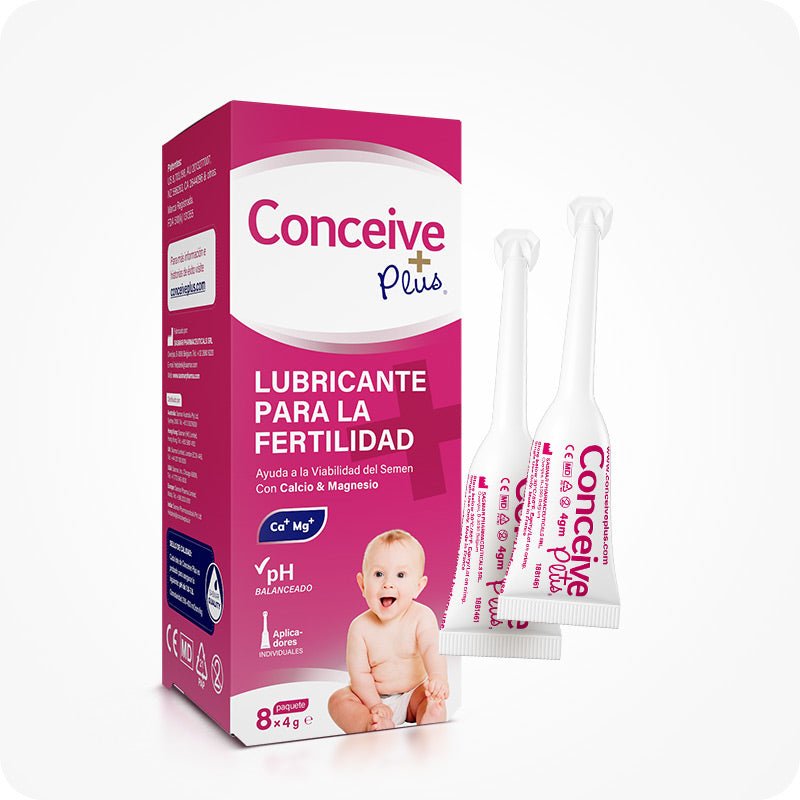
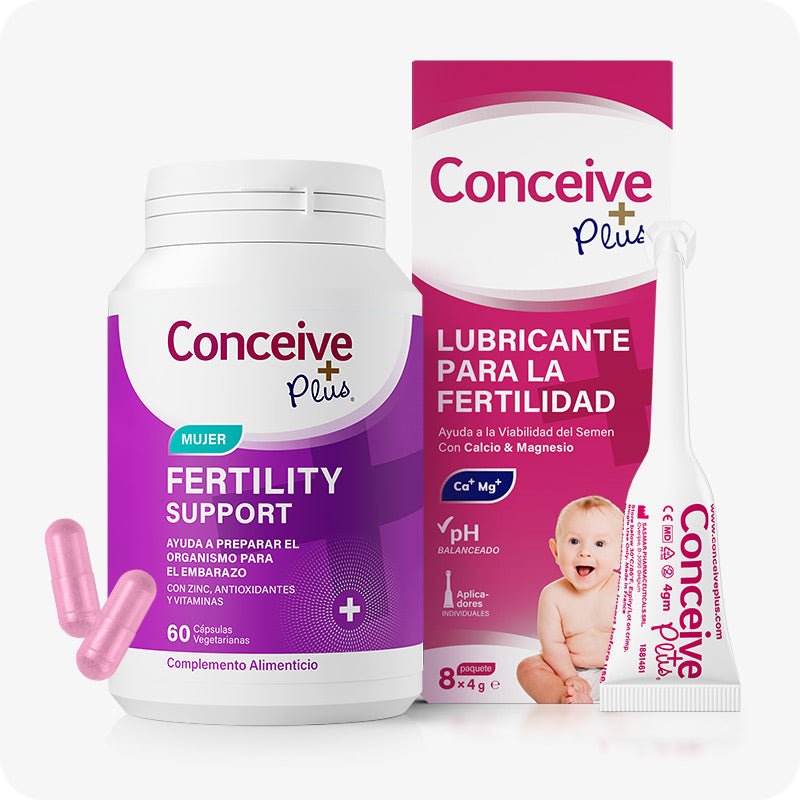
Bei Conceive Plus sind wir der Meinung, dass jedes Paar wissenschaftlich fundierte Unterstützung auf dem Weg zur Elternschaft verdient. Unsere Fruchtbarkeitspräparate sind mit klinisch erforschten Inhaltsstoffen formuliert, um die reproduktive Gesundheit auf natürliche Weise zu unterstützen.
Entdecken Sie Conceive Plus Frauen-Fertilitätsunterstützung →
Testung der ovariellen Reserve
Die ovarielle Reserve bezieht sich auf die Menge (und bis zu einem gewissen Grad die Qualität) der verbleibenden Eizellen einer Frau. Sie ist einer der wichtigsten Fruchtbarkeitsparameter und nimmt mit dem Alter ab.
Anti-Müller-Hormon (AMH): AMH wird von kleinen wachsenden Follikeln in den Eierstöcken produziert und ist der zuverlässigste Marker für die ovarielle Reserve. Im Gegensatz zu anderen Hormonen kann AMH an jedem Tag des Zyklus gemessen werden. Höhere Werte deuten auf eine größere Reserve hin; niedrigere Werte auf eine reduzierte Reserve.
Altersabhängige AMH-Referenzbereiche variieren je nach Labor, aber als grobe Orientierung:
- Optimal (25–35 Jahre): 14–48 pmol/L (2–6,8 ng/mL)
- Zufriedenstellend: 7–14 pmol/L (1–2 ng/mL)
- Niedrig: 2–6,99 pmol/L (0,3–0,99 ng/mL)
- Sehr niedrig: <2 pmol/L (<0,3 ng/mL)
Ein wichtiger Hinweis: AMH sagt die Menge der Eizellen voraus, nicht die Qualität. Eine Frau mit niedrigem AMH kann trotzdem natürlich oder mit Behandlung schwanger werden – es bedeutet lediglich, dass das Fruchtbarkeitsfenster enger ist und die Zeit entscheidend ist.
Antralfollikelzahl (AFC): Wird per transvaginalem Ultraschall typischerweise an den Tagen 2–5 des Zyklus durchgeführt und zählt die Anzahl kleiner ruhender Follikel (2–10 mm) in beiden Eierstöcken. Eine normale AFC liegt typischerweise bei 10–20 insgesamt; eine AFC <7 deutet auf eine verminderte ovarielle Reserve hin. AFC und AMH korrelieren eng und sind sich ergänzende Tests.
FSH und Östradiol an Tag 2–3: Erhöhtes FSH (>10–12 IU/L je nach Labor) an Tag 2–3 des Zyklus zeigt, dass die Hypophyse stärker arbeiten muss, um einen verminderten Follikelvorrat zu stimulieren. Ein gleichzeitig erhöhter Östradiolwert kann das FSH künstlich unterdrücken und eine verminderte Reserve verschleiern – daher müssen beide Werte zusammen interpretiert werden.
Eisprungbeurteilung
Progesteron in der Mitte der Lutealphase (Tag-21-Progesteron): Ein Serum-Progesteronwert, der 7 Tage vor der erwarteten Periode (Tag 21 bei einem 28-Tage-Zyklus oder entsprechend angepasst) bestimmt wird, bestätigt den Eisprung. Ein Wert >16–30 nmol/L (5–10 ng/mL, mit genauen Schwellenwerten je nach Labor) zeigt an, dass der Eisprung stattgefunden hat. Werte >30 nmol/L deuten auf eine ausreichend gelbkörperbildende Ovulation hin.
Zyklusüberwachung mit LH-Messung: Serielle LH-Tests mit digitalen oder quantitativen Ovulationsvorhersage-Kits, idealerweise kombiniert mit der Basaltemperaturkurve und Östrogenmessung, liefern detaillierte Informationen über den Zeitpunkt des Eisprungs.
Ultraschall-Überwachung: Serielle transvaginale Ultraschalluntersuchungen während eines Zyklus können das Follikelwachstum bestätigen, den Eisprung vorhersagen und bestätigen, dass der Eisprung stattgefunden hat (durch das Verschwinden des Follikels und das Auftreten von freier Flüssigkeit).
Beurteilung von Gebärmutter und Eileitern
Hysterosalpingographie (HSG): Ein Röntgenverfahren, bei dem ein röntgendichter Farbstoff durch den Gebärmutterhals in die Gebärmutter und Eileiter injiziert wird. Die HSG beurteilt die Form der Gebärmutterhöhle und die Durchgängigkeit der Eileiter (ob die Röhren offen sind). Sie wird typischerweise an den Tagen 5–12 des Zyklus durchgeführt. Eine normale HSG zeigt, wie der Farbstoff frei durch beide Eileiter fließt und in die Bauchhöhle austritt.
HyCoSy (Hysterosalpingo-Kontrastsonographie): Eine ultraschallbasierte Alternative zur HSG mit Schaum oder Bläschen, die in Europa zunehmend verwendet wird. Sie hat eine ähnliche Genauigkeit wie die HSG zur Beurteilung der Tubendurchgängigkeit, verursacht weniger Strahlenbelastung und bietet vergleichbaren Patientenkomfort.
Saline-Infusions-Sonohysterographie (SIS): Ein Ultraschallverfahren, bei dem Kochsalzlösung in die Gebärmutterhöhle injiziert wird, um sie zu erweitern und die Gebärmutterschleimhaut sichtbar zu machen. Es ist der regulären Ultraschalluntersuchung überlegen, um intrauterine Auffälligkeiten wie Polypen, submuköse Myome und Uterussepten zu erkennen.
Hysteroskopie: Direkte endoskopische Sicht auf die Gebärmutterhöhle. Der Goldstandard zur Beurteilung der Gebärmutterhöhle und zur Behandlung von auf bildgebenden Verfahren entdeckten Auffälligkeiten.
Laparoskopie: Ein chirurgisches Verfahren, das eine direkte Sicht auf das Becken ermöglicht und die Beurteilung der Eierstöcke, Eileiter und umliegenden Strukturen erlaubt. Essentiell zur Diagnose von Endometriose und zur detaillierteren Beurteilung der Tuben als durch HSG möglich.
Hormonelle Untersuchung
Ein umfassendes hormonelles Panel sollte Folgendes umfassen:
- TSH (Thyreoidea-stimulierendes Hormon): Schilddrüsenfunktionsstörungen sind eine häufige Ursache für Zyklusstörungen und Unfruchtbarkeit
- Prolaktin: Erhöhtes Prolaktin unterdrückt LH und FSH und verursacht Anovulation
- LH und FSH (Tag 2–3): Ein hohes LH:FSH-Verhältnis (>2:1) ist charakteristisch für PCOS
- Östradiol (E2, Tag 2–3): Siehe oben zur Interpretation zusammen mit FSH
- Testosteron (gesamt und frei) und DHEAS: Erhöht bei androgenen Überschusszuständen, einschließlich PCOS
- SHBG: Sexualhormon-bindendes Globulin; niedrige Werte erhöhen die Aktivität freier Androgene
Männliche Fruchtbarkeitsdiagnostik
Spermiogramm
Das Spermiogramm bleibt die Grundlage der männlichen Fruchtbarkeitsdiagnostik. Die Referenzwerte der WHO von 2021 sind:
- Volumen: ≥1,4 mL
- Gesamtanzahl der Spermien: ≥39 Millionen pro Ejakulat
- Spermienkonzentration: ≥16 Millionen/mL
- Progressive Beweglichkeit: ≥30 %
- Gesamtbeweglichkeit: ≥42 %
- Normale Morphologie (Kruger): ≥4 %
Wichtig ist, dass mindestens zwei Spermiogramme im Abstand von 2–4 Wochen durchgeführt werden, da die Spermienparameter eine erhebliche intraindividuelle Variabilität aufweisen.
Test auf Spermien-DNA-Fragmentierung
Wie besprochen, wird die Spermien-DNA-Fragmentierung nicht durch das Standard-Spermiogramm gemessen. Testmethoden umfassen den TUNEL-Test, den Spermien-Chromatin-Struktur-Test (SCSA) und den COMET-Test. Ein DFI über 25–30 % ist klinisch relevant und erfordert eine Intervention (Lebensstiländerungen, Antioxidantientherapie und in manchen Fällen testikuläre Spermiengewinnung für IVF/ICSI).
Hormonelle Untersuchung beim Mann
Männer mit auffälligen Spermiogrammen sollten folgende Hormone bestimmen lassen: Testosteron (gesamt und frei), FSH, LH, Prolaktin und TSH. Die Hormonbestimmung hilft, zwischen primärem Hodenversagen (erhöhtes FSH), sekundärem Hypogonadismus (niedriges LH/FSH mit niedrigem Testosteron) und obstruktiven Ursachen (normale Hormone) zu unterscheiden.
Genetische Tests bei männlicher Unfruchtbarkeit
Männer mit schwerer Oligospermie (<5 Millionen/mL) oder Azoospermie sollten Folgendes angeboten bekommen:
- Karyotyp: Das Klinefelter-Syndrom (47,XXY) ist die häufigste Anomalie der Geschlechtschromosomen und eine bedeutende Ursache für Azoospermie
- Analyse von Y-Chromosomen-Mikrodeletionen: Deletionen in den AZF-Regionen des Y-Chromosoms verursachen bei 10–15 % der azoospermischen Männer eine Spermatogenese-Störung
- CFTR-Mutationstest: Männer mit kongenitalem beidseitigem Fehlen des Samenleiters (CBAVD) tragen CFTR-Mutationen; Partner-Tests sind für die Schwangerschaftsberatung wichtig
Interpretation der Ergebnisse: Was „normal“ und „abnormal“ tatsächlich bedeuten
Fruchtbarkeitstestergebnisse liegen auf einem Spektrum und sind keine einfachen Bestanden/Nicht Bestanden-Werte. Ein „normales“ Ergebnis verringert die Wahrscheinlichkeit, dass dieser spezifische Faktor eine Hauptursache für Unfruchtbarkeit ist – es garantiert keine Fruchtbarkeit. Ein „abnormales“ Ergebnis weist auf einen wahrscheinlichen Beitrag hin, erzählt aber selten die ganze Geschichte.
Wichtige Prinzipien für die Interpretation:
- Ergebnisse müssen im klinischen Kontext interpretiert werden, nicht isoliert
- Ein einzelnes abnormales Ergebnis stellt selten eine Diagnose dar; Nachtests und die Kombination mit anderen Untersuchungen sind Standard
- Referenzbereiche basieren auf Populationen und spiegeln die unteren Grenzen von Männern/Frauen wider, die Kinder gezeugt oder empfangen haben – nicht absolute Fruchtbarkeitsschwellen
- Das Alter ist immer eine wichtige Kontextvariable
Heim-Fruchtbarkeitstests: Was ist verfügbar und wie zuverlässig sind sie?
Eine wachsende Auswahl an Heim-Fruchtbarkeitstests bietet einen leicht zugänglichen Erstcheck:
AMH-Heimtests: Bluttests per Fingerstich zur Messung von AMH zu Hause sind beliebt geworden. Sie korrelieren recht gut mit klinisch gemessenem AMH, obwohl die absolute Genauigkeit etwas geringer ist. Sie sind ein nützliches Screening-Instrument, sollten aber bei grenzwertigen oder unerwarteten Ergebnissen in einer Klinik bestätigt werden.
Heim-Spermaanalyse: Geräte zur Messung der Spermienkonzentration und der Gesamtbeweglichkeit zu Hause sind zunehmend verfügbar. Sie liefern nützliche Screening-Informationen, obwohl Morphologie und DNA-Fragmentierung zu Hause nicht beurteilt werden können.
Zyklus-Tracking-Apps mit Hormonüberwachung: Hormonüberwachungsgeräte (wie solche zur Messung von Urinöstrogen und LH) in Kombination mit App-Algorithmen bieten eine recht genaue Eisprungvorhersage und können Paaren Einblicke in Zykluseigenschaften geben – einschließlich möglicher anovulatorischer Zyklen.
Häufig gestellte Fragen zu Fruchtbarkeitstests
F: Was ist der wichtigste einzelne Fruchtbarkeitstest für eine Frau?
A: AMH und AFC zusammen geben das umfassendste Bild der ovariellen Reserve. Für eine Gesamtbewertung der Fruchtbarkeit ist ein vollständiges Panel (AMH, AFC, FSH/LH/E2 an Tag 2-3, Progesteron zur Bestätigung des Eisprungs und Gebärmutteruntersuchung) ideal.
F: Kann ich einen Fruchtbarkeitstest machen, auch wenn ich noch nicht versuche, schwanger zu werden?
A: Absolut. Die Planung der Fruchtbarkeitserhaltung – Kenntnis der Eizellreserve, frühzeitige Erkennung möglicher Probleme – ist zunehmend Teil eines proaktiven Managements der reproduktiven Gesundheit. Tests im Alter von 25–30 Jahren liefern wertvolle Basisdaten und Zeit zum Handeln, falls die Reserven niedriger als erwartet sind.
F: Bedeutet eine normale Fruchtbarkeitsuntersuchung, dass ich definitiv schwanger werde?
A: Nein. Normale Testergebnisse verringern die Wahrscheinlichkeit identifizierter Ursachen, garantieren aber keine Schwangerschaft. 10–30 % der unfruchtbaren Paare haben unerklärte Unfruchtbarkeit – normale Tests, aber Schwierigkeiten beim Schwangerwerden.
F: Wie lange dauert eine vollständige Fruchtbarkeitsuntersuchung?
A: Bluttests und Spermaanalysen können innerhalb weniger Tage durchgeführt werden. Ultraschall (AFC) und zeitabhängige Tests wie Progesteron sind zyklusabhängig. Eine vollständige Untersuchung einschließlich HSG dauert in der Regel 4–8 Wochen über ein oder zwei Menstruationszyklen.
F: Werden Fruchtbarkeitstests von der europäischen Krankenversicherung übernommen?
A: Das variiert stark je nach Land und Versicherung. In vielen EU-Ländern werden Standard-Fruchtbarkeitsuntersuchungen bei medizinischer Indikation ganz oder teilweise erstattet. Proaktive (nicht medizinisch indizierte) Tests sind in der Regel selbst zu zahlen.
F: Was bedeutet es, wenn mein AMH niedrig ist – heißt das, ich kann kein Baby bekommen?
A: Nein. AMH sagt die Anzahl der verbleibenden Eizellen voraus, nicht die Fähigkeit, schwanger zu werden. Frauen mit niedrigem AMH können natürlich und durch Behandlung schwanger werden. Niedriges AMH bedeutet jedoch, dass die Zeit drängt und IVF möglicherweise weniger Eizellen zur Verfügung stehen, ist aber keine Diagnose von Unfruchtbarkeit.
F: Sollten beide Partner gleichzeitig getestet werden?
A: Ja, und das wird dringend empfohlen. Wenn nur ein Partner untersucht wird, verzögert das die Diagnose und geeignete Behandlung. Männliche Faktoren tragen zu 40–50 % der Unfruchtbarkeitsfälle bei und können oft schnell durch eine Spermaanalyse erkannt werden.
F: Was ist der Unterschied zwischen Fruchtbarkeitstests und Gentests?
A: Fruchtbarkeitstests bewerten die reproduktive Funktion (Eizellreserve, Spermienqualität, strukturelle Faktoren). Gentests für Fruchtbarkeitszwecke umfassen Träger-Screening (Erkennung, ob Sie Gene für vererbte Erkrankungen tragen, die Nachkommen betreffen könnten), Chromosomenanalyse und präimplantationsgenetische Tests (PGT-A) bei IVF zur Embryonenscreening. Beide haben eine Rolle in der reproduktiven Gesundheitsversorgung, dienen jedoch unterschiedlichen Zwecken.
Unterstützung Ihrer Fruchtbarkeitsreise
Bei Conceive Plus sind wir der Meinung, dass jedes Paar wissenschaftlich fundierte Unterstützung auf dem Weg zur Elternschaft verdient. Unsere Fruchtbarkeitspräparate sind mit klinisch erforschten Inhaltsstoffen formuliert, um die reproduktive Gesundheit auf natürliche Weise zu unterstützen.
Entdecken Sie Conceive Plus Frauen-Fertilitätsunterstützung →