Best Ovulation Calculator Products 2026: Your Guide to Tracking the Fertile Window


Did you know that 10% of the global female population lives with PCOS, making the simple task of predicting a period feel like a guessing game? Even without a hormonal imbalance, missing your narrow window of opportunity is incredibly easy when you rely on calendar math alone. If you're tired of squinting at faint lines on paper strips or feeling blindsided by your own cycle, you're not alone. Finding which ovulation calculator products actually work for your specific cycle and budget often feels like a trade-off between high costs and confusing results.
You deserve to feel in control of your conception journey rather than overwhelmed by it. We've researched the latest 2026 fertility tech, including products with FDA clearance, to help you find a solution that offers over 99% accuracy in detecting your LH surge. In this guide, you'll discover how a hybrid approach of digital trend tracking and biochemical testing can pinpoint your peak fertility with total confidence. We'll break down the top-rated monitors, wearables, and apps so you can stop guessing and start planning for your future family with a clear roadmap in hand.
Key Takeaways
- Learn why precise timing is the most critical factor in your conception journey and how to accurately identify your unique fertile window.
- Compare the benefits of traditional ovulation predictor kits versus advanced digital monitors to determine which technology suits your daily routine.
- Evaluate different ovulation calculator products based on your cycle regularity and budget to find a sustainable solution for long-term tracking.
- Discover how to create a fertility-friendly environment by combining tracking tools with specialized lubricants that support sperm motility.
- Explore science-backed solutions from Conceive Plus Europe that are designed to simplify the tracking process and help you achieve faster results.
Table of Contents
Recommended by Fertility Experts
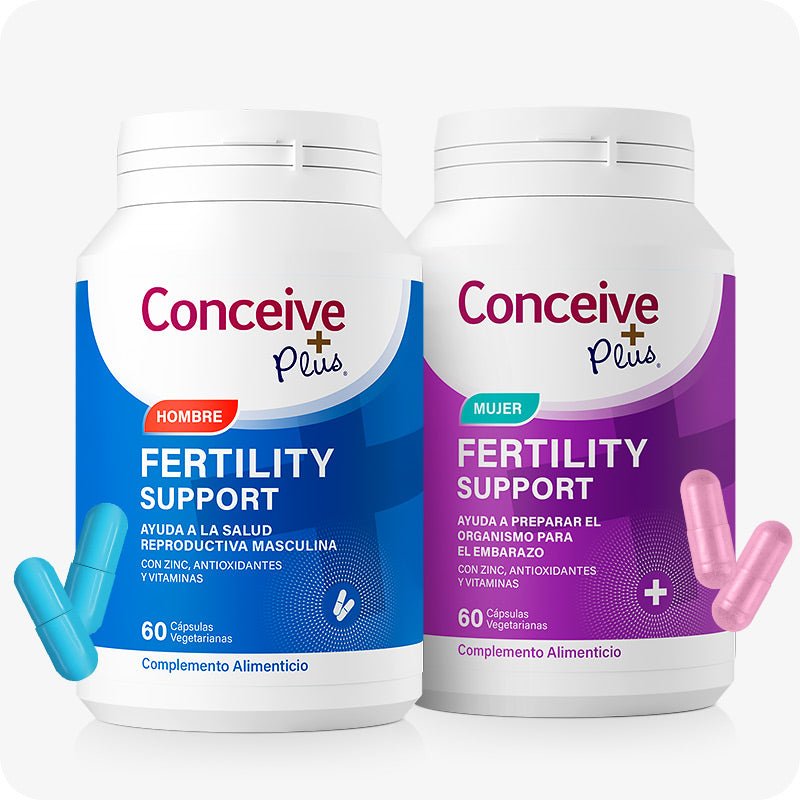
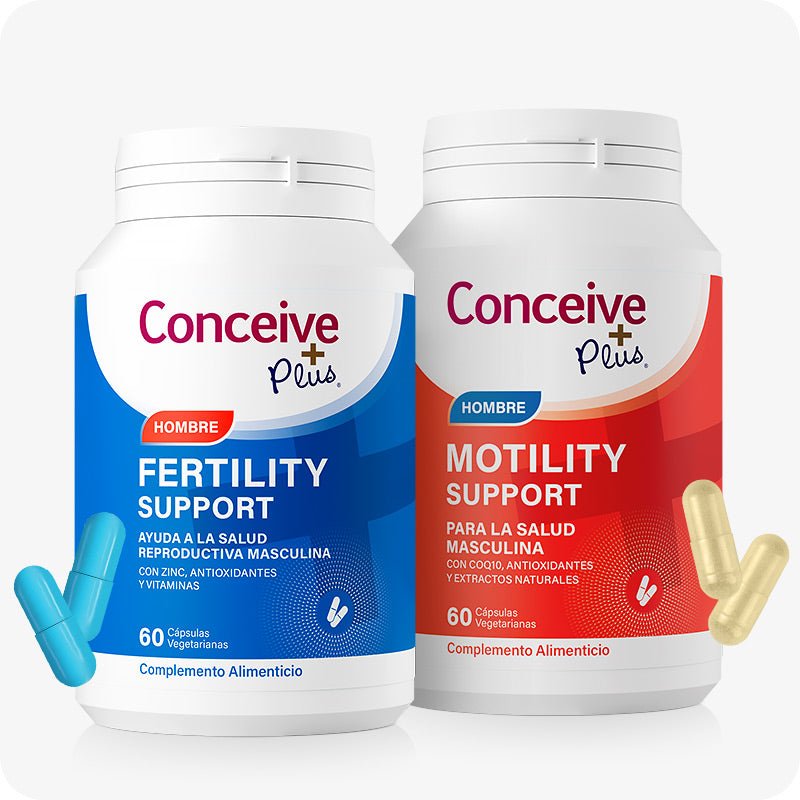
Conceive Plus Men's Fertility Support
Designed to support healthy sperm production, motility, and overall male reproductive health with clinically studied nutrients.
Shop Now →Why Ovulation Calculator Products are Essential for Conception
Timing isn't just a small part of the process; it's the foundation of successful conception. Every month, there's a narrow window of about six days when pregnancy is biologically possible. Ovulation calculator products are specialized tools designed to find this window by either predicting when an egg will be released or confirming that it has already happened. While many people start with a simple phone app, those who want to accelerate the process move toward physical data. Biological signals don't always follow a 28-day schedule, and physical trackers provide the hard evidence your body is ready.
Relying solely on a calendar-only app is often where the frustration begins. These apps use algorithms based on population averages, but your body isn't an average; it's an individual system. If you have a cycle that varies even by a few days, a standard app might miss your window entirely. For the 10% of women living with PCOS, these biomarkers are even more critical because LH levels can be baseline-high, making standard strips harder to read. By tracking physical markers like Luteinizing Hormone (LH) and Basal Body Temperature (BBT), you bridge the gap between guesswork and science.
The Science of Timing: LH Surges and Peak Fertility
To master your cycle, you need to look at what's happening internally. An LH surge is the hormonal signal that tells your ovaries to release a mature egg. This surge usually happens 24 to 48 hours before the egg is actually released. Urine-based predictor kits are the most common way to catch this spike. By understanding the ovulation process, you can see why testing daily during your expected fertile window is so crucial. The LH surge is the biological 'green light' that tells you peak fertility has arrived.
Predicting vs. Confirming Ovulation
There's a vital difference between knowing when you're about to ovulate and knowing that you actually did. Ovulation Predictor Kits (OPKs) are predictors; they detect the hormone that triggers the event. However, a surge doesn't always guarantee an egg was released. That's where confirmers like BBT tracking or Progesterone tests come in. A sustained rise in your resting body temperature confirms that ovulation has occurred. Using a combination of these products reduces the stress of "did I miss it?" and provides a complete picture of your reproductive health. For those just starting, using an ovulation calculator alongside physical tests helps align your testing schedule with your body's natural rhythm. Integrating different ovulation calculator products allows you to see the full story of your cycle, from the initial hormonal rise to the post-ovulatory temperature shift.
The Best Types of Ovulation Trackers for 2026
Choosing which ovulation calculator products to invest in depends on your cycle's complexity and your daily habits. In 2026, trackers generally fall into four distinct categories. Ovulation Predictor Kits (OPKs), like the Clearblue Advanced Digital system, are the standard for urine-based testing. Digital fertility monitors, for instance, offer deeper insights by tracking multiple hormones like LH, Estrogen, and Progesterone simultaneously. For those who prefer confirming ovulation after the fact, Basal Body Thermometers (BBT) remain the most affordable option. Finally, saliva ferning kits offer a reusable, non-invasive way to track estrogen through crystal patterns in dried saliva.
A common point of confusion is how your digital app interacts with these physical tools. A digital calculator isn't just a static calendar; it's an interpreter for the raw data you provide. When you upload a photo of a test strip or sync a temperature reading, the software uses AI to compare your current cycle against millions of others. This AI, for instance, is often trained on millions of hormone data points. Scientific reviews of ovulation tracking methods emphasize that combining physical markers with digital analysis provides a much clearer picture of your fertile window than either could alone. This interaction allows the software to learn your specific hormonal baseline.
Digital vs. Analog Ovulation Strips
Analog strips are incredibly cost-effective. They require you to interpret the darkness of a "test" line against a "control" line, which can be stressful if you have faint results or irregular surges. Digital versions remove this ambiguity. They provide a clear "smiley face" or a numerical hormone score on a screen. While the cost-per-use is higher for digital systems, the reduction in anxiety is often worth the investment. Accuracy is key. Both types are typically over 99% accurate for detecting the LH surge if you start testing a few days before your expected window.
Smart Wearables and Tech-Integrated Monitors
Wearable technology has changed the game for women with irregular cycles. Devices like the Tempdrop 2.0 sensor or the Oura Ring 4 track your temperature trends passively while you sleep. This data then syncs with apps like Natural Cycles, which is FDA-cleared for both contraception and conception. These systems use machine learning to filter out "noise" like poor sleep or stress, which can sometimes skew a single BBT reading. If you're looking for a comprehensive setup, you might explore the full fertility product range to find a kit that matches your specific tracking needs. Using reliable ovulation calculator products ensures you never miss a peak day during your journey to pregnancy.
How to Choose the Right Fertility Tracker for Your Unique Cycle

✨ Trying to Conceive?
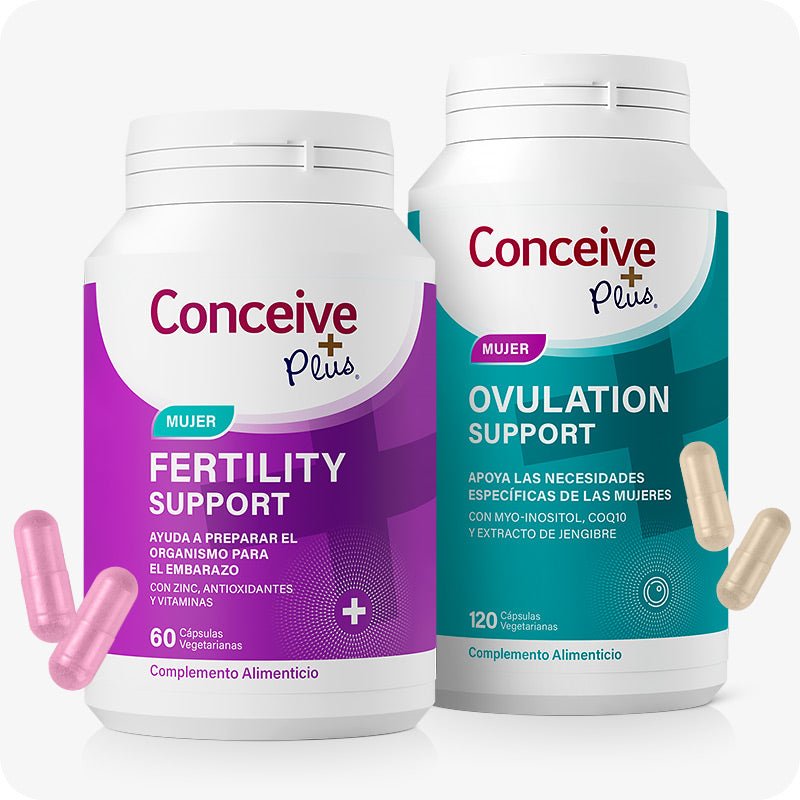
Our fertility supplements combine Myo-Inositol with essential vitamins to support healthy hormone balance and regular ovulation.
Shop Now — $44.98✓ Free shipping available | ✓ Trusted by millions of couples worldwide
Selection isn't just about picking the most expensive gadget on the shelf. It's about matching the technology to your biological reality. If you have a textbook 28-day cycle, you might find that simple, low-cost strips provide all the data you need. However, for the millions of women with unpredictable patterns, more advanced ovulation calculator products become necessary to avoid missing the window entirely. Calculating your fertile window accurately is the first step toward reducing the time it takes to conceive.
Not everyone wants a wearable sensor strapped to their arm all night or a ring that tracks every movement. If you find high-tech wearables intrusive or simply too expensive, don't feel pressured to buy them. Many women achieve the same results with high-quality mid-range monitors or even analog strips paired with a smart app. The key is consistency. If you're comfortable with a 30-second morning urine test, a digital monitor might be your best fit. If you're a "set it and forget it" person, a passive wearable might be worth the extra cost.
You should also consider the "PCOS factor" when making your choice. Since Polycystic Ovary Syndrome affects roughly 10% of women globally, it's vital to know that standard LH-only strips can sometimes yield false positives. This happens because women with PCOS often have elevated LH levels throughout their entire cycle, rather than one distinct spike. In these cases, looking for products that track multiple hormones or use quantitative data rather than a simple "yes/no" line is a much smarter investment.
Best Products for Irregular Cycles
When your timing is unpredictable, you need an early warning system. Multi-hormone digital monitors are superior here because they track estrogen levels, which typically rise days before the LH surge. This gives you a longer lead time to plan. Before buying hardware, you can start by using a digital ovulation calculator to baseline your data and see how much your cycle actually varies month to month. This baseline helps you decide if you need the advanced multi-hormone analysis provided by high-end ovulation calculator products.
The Value Framework: Cost vs. Accuracy
Think of your tracker choice as a balance between effort and expense. Traditional strips are low cost but require high effort to track and interpret manually. Advanced monitors are high cost but offer low effort through automated syncing and clear results. You might choose to "level up" your kit if you've been trying for more than six months without success or if your cycle suddenly becomes irregular. It's reassuring to know that 99% accuracy is achievable with mid-range products, so you don't always have to buy the most expensive model to get medical-grade results.
Beyond Tracking: Combining Tools for Faster Results
Pinpointing your peak fertility is a massive win, but it’s only one half of the equation. Even the most advanced ovulation calculator products can only tell you when to try; they can’t optimize the biological environment for the sperm to reach the egg. To accelerate your journey to pregnancy, you should look at the bigger picture. This means creating a fertility-friendly environment where tracking and physical support work in tandem. If you’ve identified your fertile window but aren’t using tools to support sperm motility, you might be missing an opportunity.
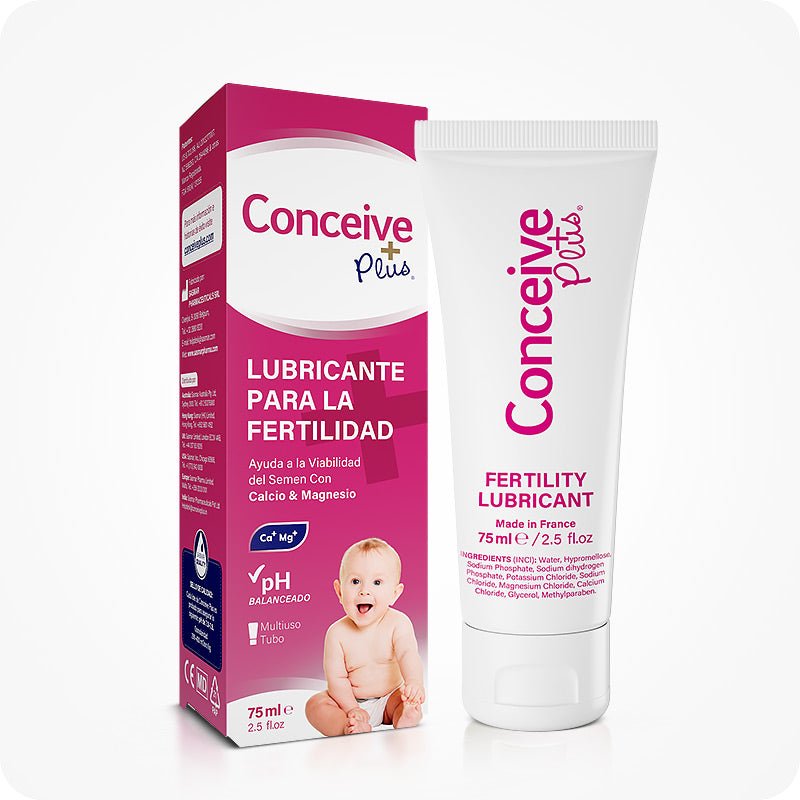
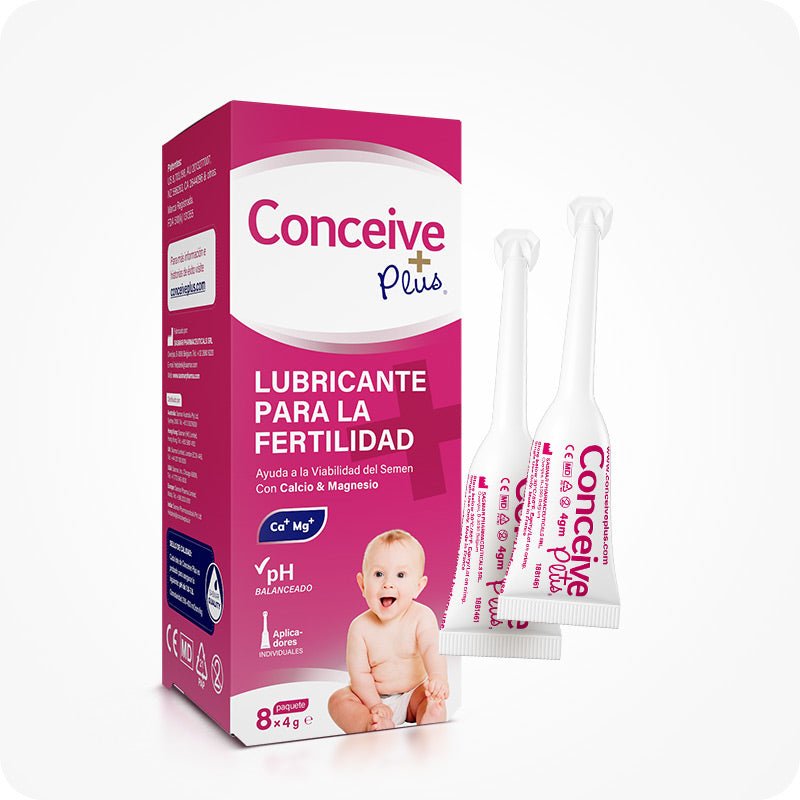
Many standard lubricants have a pH that is hostile to sperm, potentially acting as a barrier rather than a bridge. During your fertile window, your body naturally produces cervical mucus that protects and guides sperm. Specialized fertility lubricants are designed to mimic this natural fluid, ensuring that once your trackers show a "peak" result, the conditions are ideal for conception. By integrating these support tools with your chosen ovulation calculator products, you move from just observing your cycle to actively managing your fertility.
Storing and interpreting your data is just as vital as the testing itself. Most modern tracking products sync with apps that allow you to log external factors like sleep quality, stress levels, and cervical mucus consistency. When you see all this data in one place, the patterns become much clearer. This bird's-eye view helps you understand if your lifestyle is impacting your hormonal health, allowing you to make adjustments that could lead to a faster positive pregnancy test.
Supplements and Hormonal Clarity
Hormonal balance is the engine behind clear tracking results. Supplements like Myo-Inositol and CoQ10 are frequently used to support egg quality and regulate cycle length. When your hormones are balanced, your LH surges become more distinct and easier for your tests to catch. This is particularly helpful for the 10% of women with PCOS who often struggle with baseline hormonal noise. Clearer cycles lead to more readable test results, which reduces the frustration of ambiguous lines on your strips and makes your digital monitors more effective.
Creating a Conception Kit
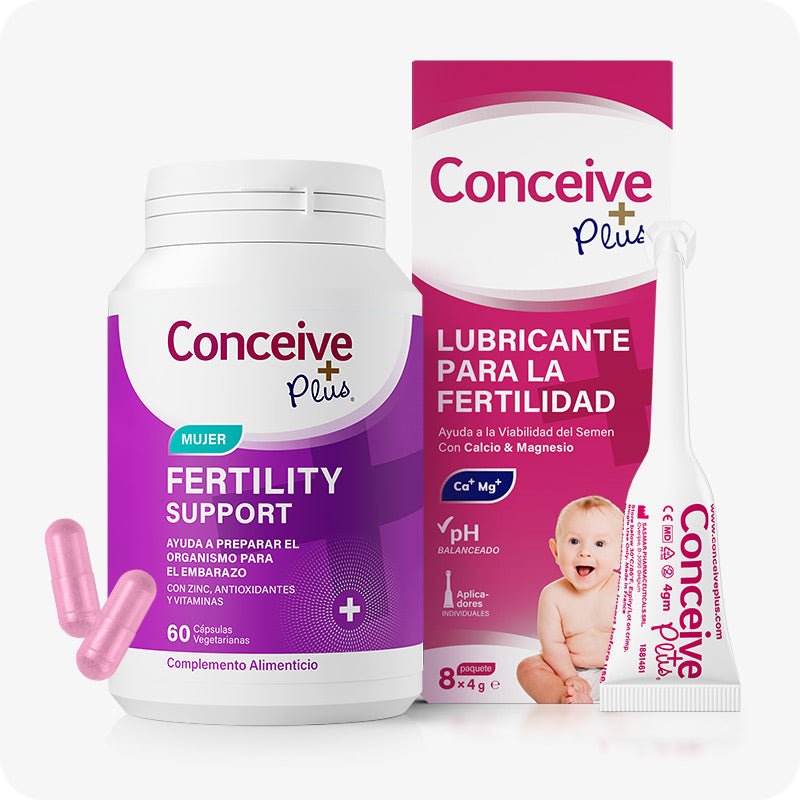
The most successful approach often involves buying bundles that combine tracking strips with fertility-friendly lubricants. This ensures you have everything you need the moment your monitor indicates high fertility. Timing is everything. When your tracker shows "High" fertility (usually indicating an estrogen rise), it’s time to start using support products. When it hits "Peak" (the LH surge), you know you're in the most critical 24 to 48-hour window. Check out special offers on fertility bundles for a complete kit that takes the guesswork out of your monthly routine.
Conceive Plus: Science-Backed Ovulation and Fertility Solutions
Conceive Plus has earned its reputation as a trusted partner for millions of couples in over 70 countries. While many companies offer basic strips as isolated items, our approach is rooted in medical science and designed by doctors who understand the complexities of the human reproductive system. We don't just provide data; we provide a pathway to parenthood. Our range of ovulation calculator products focuses on two things: precision and ease of use. This ensures that when you see a result, you can trust it enough to take the next step in your journey.
Unlike competitors who treat fertility as a series of disconnected tools, we see it as a connected ecosystem. If you're using a tracker, you're likely also looking for ways to support the actual process of conception. This is where the Conceive Plus advantage lies. By combining high-accuracy testing with our world-renowned fertility-friendly lubricants, you're not just watching the clock. You're actively optimizing every moment of your fertile window. Investing in quality ovulation calculator products is the first step in a broader strategy that supports your body's natural functions.
Precision Tracking Products
Our ovulation tests are engineered for maximum readability, removing the stress of interpreting faint or ambiguous lines. These tests are a core part of the Conceive Plus journey, providing the clarity you need to time intercourse with confidence. We've designed our testing kits to integrate seamlessly with your lifestyle, whether you're tracking a standard 28-day cycle or managing more unpredictable patterns. You can shop the full range of Ovulation Calculator Products to find the specific kit that matches your needs.
The Holistic Advantage
The real secret to our success stories is the synergy between tracking and support. We encourage couples to pair their calculator products with our specialized fertility lubricants, which are pH-balanced to support sperm motility and survival.
- Doctor-Developed: Every product in our line is created with reproductive health at the forefront.
- Proven Results: Millions of users have successfully combined our tracking tools with our supplements and lubricants.
- Global Trust: Available in 70+ countries, our brand is a household name in fertility support.
Take Control of Your Fertility Journey Today
You've seen how the right tools can transform a stressful guessing game into a clear, data-driven plan. By focusing on 99% accurate hormone detection and pairing your data with physical support like fertility-friendly lubricants, you're setting the stage for success. Whether you have a perfectly regular cycle or are managing the challenges of PCOS, there's a tracking solution that fits your lifestyle. Finding the right ovulation calculator products is about more than just reading lines. It's about gaining the confidence to know you're trying at exactly the right time. Conceive Plus provides doctor-developed formulas trusted by millions of couples worldwide. You don't have to navigate this process alone or rely on unreliable calendar math. Every cycle is a new opportunity, and having medical-grade accuracy in your home makes all the difference. Don't leave your future family to chance. Shop All Ovulation Calculator Products & Kits to start your journey with precision and support. Your path to pregnancy is unique, and with the right information in hand, you're closer to your goal than ever before.
Frequently Asked Questions
Can ovulation calculator products work if I have irregular periods?
Yes, ovulation calculator products can work for irregular cycles, though you'll likely need to test more frequently than someone with a 28-day pattern. Instead of relying on a single predicted day, you should start testing earlier in your cycle and use products that provide quantitative hormone levels rather than simple yes/no lines. This approach helps you identify your specific baseline and prevents you from missing a late or early surge that a standard calendar app would miss.
What is the difference between an ovulation predictor kit and a fertility monitor?
The main difference lies in the breadth of biological data collected. An ovulation predictor kit (OPK) typically only measures Luteinizing Hormone (LH) to find your 24 to 48-hour peak window. In contrast, a fertility monitor often tracks multiple hormones like estrogen and progesterone. This provides a wider fertile window and uses more data points to confirm that ovulation actually occurred, rather than just predicting that it might happen soon.
When is the best time of day to use an ovulation test strip?
Most experts recommend testing between 10 AM and 8 PM for the most accurate results. Unlike pregnancy tests, your first morning urine isn't ideal for LH testing because the hormone is usually synthesized in your body early in the morning and takes several hours to appear in your urine. For the best consistency, try to test at the same time every day and limit your fluid intake for about two hours before you take the test.
How accurate are digital ovulation calculators compared to apps?
Hardware-based ovulation calculator products are significantly more accurate than standalone apps because they rely on your actual biological data. While a basic app uses mathematical averages to guess your fertile window, a digital calculator interprets your specific hormone levels or temperature trends. Using a physical tracker removes the guesswork of calendar math, which is only reliable if your cycle is perfectly regular every single month.
Can medications or supplements interfere with my ovulation test results?
Certain medications can definitely impact your results. Fertility drugs containing hCG or LH can cause false positives, while some hormonal contraceptives will suppress the markers these tests look for. Supplements like Inositol generally won't interfere with the test itself but may change your cycle length over time. If you're taking prescription medications, it's always best to consult your doctor to see if they affect your hormonal biomarkers.
What should I do if I never see a positive result on my ovulation tracker?
If you never see a positive result, you might have a short surge that happens between your daily testing windows. Try testing twice a day, once in the morning and once in the evening, as you approach your expected window. If you still don't see a surge after several cycles of diligent testing, it's worth speaking to a healthcare provider to rule out anovulation or other underlying hormonal imbalances that might be affecting your cycle.
Is it worth buying a wearable fertility tracker for 2026?
Investing in a wearable tracker is worth it if you value convenience and passive data collection. In 2026, these devices have become highly sophisticated, offering continuous temperature monitoring that filters out external factors like room temperature or minor illnesses. They're especially helpful for those who find daily urine testing or manual temperature taking too disruptive to their morning routine or sleep schedule. They provide a stress-free way to gather long-term data.
How many months of data do I need for an ovulation calculator to be accurate?
Most digital systems and apps require about three months of consistent data to reach their peak accuracy. This timeframe allows the algorithm to understand your unique hormonal baseline and identify any natural variations in your cycle length. While you can get useful information in the very first month, the predictions become much more reliable as the software learns your body's specific biological patterns over several consecutive cycles.
🌱 Support Your Fertility Journey
Conceive Plus fertility supplements are clinically formulated to help regulate your cycle and support egg quality.
Shop Fertility Support →Trusted by Couples in Over 70 Countries
Support Male Fertility From the Inside Out
Male fertility is just as important as female fertility in the conception journey. Conceive Plus Men's range delivers targeted nutritional support to promote healthy sperm and overall reproductive wellbeing.
Shop Men's Range →