Fertility Diet Guide: What to Eat When Trying to Conceive in Europe


Fertility Diet Guide: What to Eat When Trying to Conceive in Europe
Nutrition plays a profound role in reproductive health. From egg quality and sperm parameters to hormonal balance and uterine receptivity, what you eat in the months before and during your conception journey has measurable effects on your fertility. This comprehensive fertility diet guide is designed for European couples — drawing on the Mediterranean dietary tradition that forms the backbone of the most robust fertility nutrition research.
The Science Behind Fertility Nutrition
The relationship between diet and fertility is not speculative — it's one of the most well-researched areas in reproductive medicine. The Harvard Nurses' Health Study, one of the largest long-term studies on women's health, identified specific dietary patterns associated with significantly reduced rates of ovulatory infertility. A subsequent landmark analysis found that a "fertility diet" score — emphasising plant protein, low-glycaemic carbohydrates, full-fat dairy, and micronutrient-rich foods — was associated with a 66% lower risk of ovulatory infertility.
For male fertility, a 2022 meta-analysis of 23 studies found that dietary patterns rich in fruits, vegetables, whole grains, fish, and legumes were associated with significantly better sperm concentration, motility, and morphology compared to Western-style diets high in processed foods and saturated fats.
The mechanisms are multi-faceted:
- Antioxidants in plant foods reduce oxidative stress on eggs and sperm
- Omega-3 fatty acids from fish support hormonal signalling and sperm membrane integrity
- Folate and B vitamins are essential for DNA synthesis and cell division
- Zinc supports progesterone production and sperm development
- Iron deficiency impairs ovulation; optimal iron supports the ovulatory axis
The Mediterranean Diet: Europe's Gold Standard for Fertility
The Mediterranean diet is the most evidence-backed dietary pattern for fertility — and it maps naturally onto the culinary traditions of much of Europe. Studies from Greece, Italy, Spain, and broader European populations consistently find that adherence to a Mediterranean dietary pattern is associated with better IVF outcomes, improved sperm parameters, and higher natural conception rates.
Core components of the Mediterranean fertility diet:
- Abundant vegetables: Dark leafy greens, tomatoes, peppers, courgettes, artichokes — rich in folate, antioxidants, and fibre
- Fruits: Berries, citrus, pomegranates — high-antioxidant choices particularly beneficial
- Whole grains: Rye bread, oats, brown rice, legumes — support stable blood sugar and hormonal balance
- Legumes: Lentils, chickpeas, cannellini beans — excellent plant protein and iron sources
- Fish and seafood: Salmon, sardines, mackerel, trout — rich in omega-3 DHA/EPA; aim for 2–3 portions weekly (avoiding high-mercury species)
- Olive oil: Primary fat source; monounsaturated fats and polyphenols support hormonal health
- Nuts and seeds: Walnuts (omega-3), pumpkin seeds (zinc), sunflower seeds (vitamin E)
- Dairy in moderation: Some evidence supports full-fat dairy for ovulatory function
- Poultry and eggs as moderate protein sources
- Red meat minimised: Evidence links high red and processed meat intake with poorer sperm parameters
Key Fertility Nutrients and Where to Find Them
Folate / Methylfolate
Essential for DNA synthesis and neural tube formation from the earliest days of pregnancy — ideally supplemented for 3 months pre-conception. Found in: dark leafy greens (spinach, kale, rocket), asparagus, avocado, lentils, fortified cereals.
Omega-3 Fatty Acids (DHA/EPA)
DHA is a key component of sperm membrane and plays a role in sperm motility. For women, omega-3s support hormonal signalling and reduce inflammation. Found in: oily fish (salmon, mackerel, sardines, anchovies), walnuts, flaxseeds, chia seeds.
Zinc
Critical for both male and female fertility. In men, zinc is essential for testosterone production and sperm development. In women, it supports progesterone and ovulation. Found in: pumpkin seeds, legumes, beef, oysters, eggs, whole grains.
Vitamin D
Vitamin D deficiency is widespread across Europe, particularly at Northern latitudes (Netherlands, Belgium, Germany, Scandinavia, Ireland). Deficiency is associated with impaired ovulation, reduced sperm parameters, and lower IVF success rates. Supplementation is recommended for most Europeans (800–2000 IU daily). Sources: fortified foods, oily fish, egg yolks — but sun exposure and supplementation are primary sources in Europe.
CoQ10 (Ubiquinol)
An antioxidant essential for mitochondrial energy production in both eggs and sperm. Levels naturally decline with age. Found in some meats and fish but supplementation is typically required for therapeutic doses (200–600mg daily of ubiquinol form recommended).
Iron
Non-haem (plant-based) iron sources appear to be more associated with reduced ovulatory infertility than haem iron from red meat. Found in: lentils, spinach, fortified cereals, pumpkin seeds (pair with vitamin C to enhance absorption).
Antioxidants (Vitamins C, E, Selenium)
Protect eggs and sperm from oxidative damage — a significant contributor to infertility. Found in: citrus (C), nuts and seeds (E), Brazil nuts (selenium — just 1–2 per day provides the daily requirement).
Foods to Limit or Avoid for Fertility
As important as what you eat is what you reduce:
- Trans fats: Found in partially hydrogenated oils in processed foods — strongly associated with ovulatory infertility in research
- High-sugar/high-GI foods: Refined carbohydrates spike insulin, worsening PCOS symptoms and disrupting hormonal balance
- Excessive alcohol: Even moderate regular consumption can impair egg quality and reduce sperm parameters; alcohol-free during the TWW and ideally pre-conception
- Processed/ultra-processed foods: Associated with poorer sperm quality and increased fertility treatment failure rates in multiple studies
- High-mercury fish: Swordfish, shark, king mackerel, bigeye tuna — mercury accumulates and can impair reproductive function
- Excessive caffeine: >200mg daily (2 espressos) may have mild negative effects on fertility; reducing to 1 coffee or less per day is commonly advised
- Soy in excess: Phytoestrogens in high quantities may affect hormonal balance in sensitive individuals — moderate consumption (tofu, edamame occasionally) is generally fine
Fertility Nutrition for Men: Often Overlooked, Always Important
Male fertility nutrition is critically underemphasised. Sperm take approximately 74 days to develop — meaning diet today affects sperm quality in about 3 months. Both partners should prioritise fertility nutrition ideally 3–6 months before actively trying to conceive.
Male-specific priorities:
- Antioxidant-rich foods: Reduce DNA fragmentation in sperm — the most commonly measured sperm quality issue in European fertility clinics
- Zinc and selenium: Essential for sperm production and motility
- Lycopene: Found in tomatoes — particularly associated with improved sperm concentration and morphology in studies from Italian research groups
- Limit alcohol and processed foods: Both strongly associated with reduced sperm count, motility, and morphology
- Avoid heat exposure: Saunas, hot tubs, and prolonged laptop use on lap can significantly reduce sperm parameters — dietary antioxidants can partially mitigate but not fully compensate
🌿 Nutrition is the foundation — supplements complete the picture.
Explore Conceive Plus fertility supplements designed for European couples at conceiveplus.eu. Formulated with the key micronutrients your fertility deserves.
Supplement Strategy to Complement Your Fertility Diet
Even an excellent diet rarely provides optimal levels of all fertility-critical nutrients. A targeted supplement strategy fills the gaps:
- Women: Quality prenatal vitamin with methylfolate, vitamin D (test levels first), omega-3 DHA/EPA, inositol (for PCOS or irregular cycles), CoQ10 ubiquinol if over 35
- Men: Zinc, selenium, vitamin C + E (antioxidant combination), CoQ10, omega-3 DHA, lycopene, L-carnitine
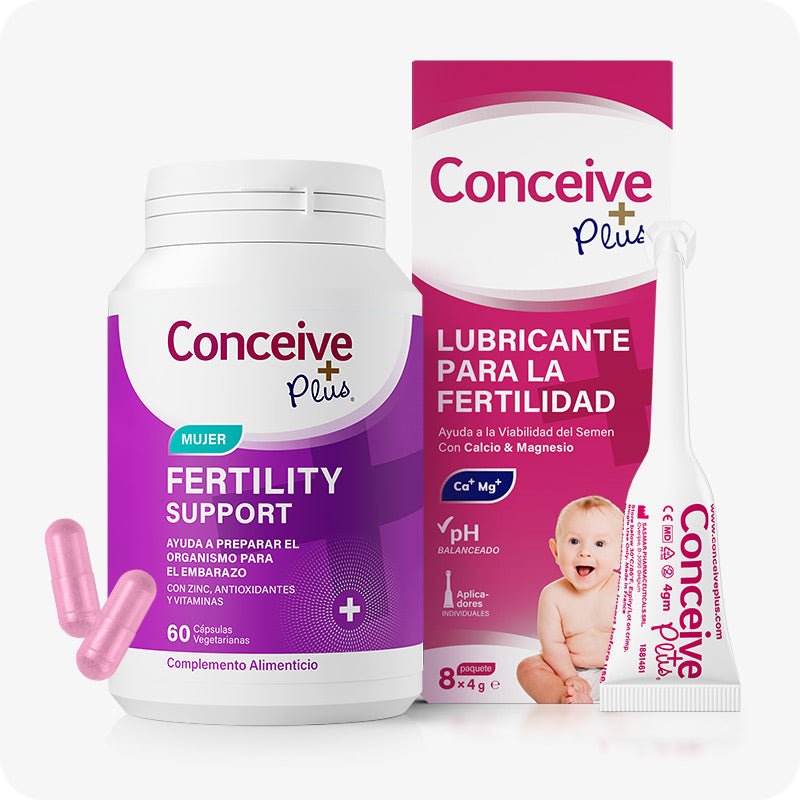
Conceive Plus offers complete fertility supplement formulations for both women and men, designed to complement a fertility-optimised diet with evidence-based nutrient doses.
💛 Complete your fertility nutrition plan.
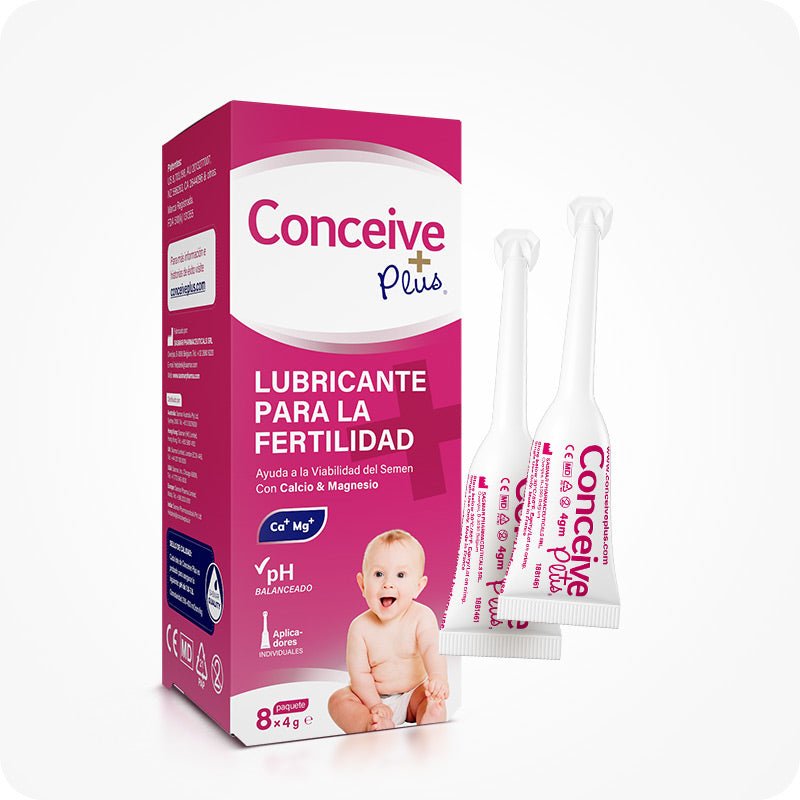
Shop Conceive Plus supplements and fertility lubricant at conceiveplus.eu — trusted by fertility professionals across Europe.
Frequently Asked Questions About Fertility Diet
Q: How long before TTC should I start a fertility diet?
A: Ideally 3–6 months before you start trying, as this is the timeframe for sperm development (74 days) and for optimal egg quality support to take effect. Starting as soon as possible is better than waiting for the "perfect" moment.
Q: Is vegetarian or vegan diet compatible with fertility nutrition?
A: Yes, with careful planning. Vegetarians and vegans need to specifically ensure adequate vitamin B12, vitamin D, omega-3 (from algal DHA supplements), zinc, and iron. A Mediterranean-style vegetarian diet with legumes, dairy/eggs, whole grains, and nuts can be very fertility-supportive.
Q: Does organic food make a difference for fertility?
A: Some research suggests pesticide exposure may negatively affect sperm parameters and egg quality. While organic food is not mandatory, washing all produce thoroughly and prioritising organic for the "dirty dozen" high-pesticide crops (strawberries, spinach, peppers) is a reasonable precaution.
Q: Can diet help with unexplained infertility?
A: Yes — optimised nutrition reduces oxidative stress, improves egg and sperm quality, and supports hormonal balance. For unexplained infertility, dietary optimisation along with targeted supplementation is consistently recommended as an adjunct to fertility investigation.
Q: How important is weight for fertility?
A: Both underweight and overweight significantly impact fertility. BMI below 18.5 can suppress ovulation; BMI above 25–30 is associated with hormonal imbalance, PCOS, and reduced IVF success rates. A 5–10% weight change toward a healthy range can restore ovulatory function. Focus on dietary quality over rapid weight change.
Q: Are there foods that specifically improve egg quality?
A: Coenzyme Q10 (found in meat/fish but more effectively supplemented), omega-3-rich foods, and antioxidant-rich fruits and vegetables are most associated with egg quality support in current research. Reducing alcohol, ultra-processed foods, and trans fats is equally important.
Q: Does caffeine really affect fertility?
A: Moderate caffeine intake (up to 200mg/day, equivalent to about 2 espressos or 1 large filter coffee) is generally considered safe. Higher intakes may modestly reduce fertility in women and sperm quality in men. During the TWW and pregnancy, keeping to ≤200mg is widely recommended.
Q: What's the best diet for IVF success?
A: Mediterranean dietary adherence is the most extensively studied pattern for IVF outcomes. A 2018 study in Human Reproduction found that women with high adherence to a Mediterranean diet in the 6 months before IVF had significantly higher chances of clinical pregnancy and live birth. The same dietary principles outlined in this guide apply specifically to IVF preparation.