Fertility Supplements for Women: The Science-Backed 2026 Guide to Vitamins and Minerals


Preparing your body for pregnancy is one of the most important investments you can make in your future family. The months before conception — sometimes called the preconception period — represent a critical window during which nutritional status profoundly influences egg quality, hormonal balance, and the conditions that support successful implantation and early pregnancy. For women trying to conceive, the right combination of vitamins and minerals can make a meaningful difference.
But with an overwhelming number of supplements on the market, each making bold claims, it can be difficult to know what actually has scientific support. This guide cuts through the noise to present an evidence-based overview of the most important fertility supplements for women in 2026: what the research shows, how they work, what doses are relevant, and how to build a supplement strategy that genuinely supports your fertility journey.
Why Preconception Nutrition Matters: The Scientific Foundation
The idea that women should take folic acid before pregnancy is widely known, but the broader picture of preconception nutrition is far less understood. Research has established that nutritional status in the months before conception influences multiple aspects of reproductive health and early fetal development.
Egg development — the process of folliculogenesis — takes approximately 3-4 months before ovulation. The environment within developing follicles, including their nutrient content, significantly affects egg quality and ultimately embryo viability. This means that the nutritional choices you make today are affecting the quality of eggs you'll ovulate in 3 months' time. Similarly, the uterine lining that will support a developing embryo depends on adequate micronutrient status for optimal development.
A comprehensive review published in Reproductive BioMedicine Online examined the evidence for various micronutrients in female fertility and concluded that several — most notably folate, vitamin D, CoQ10, inositol, and iron — had sufficient evidence to recommend inclusion in preconception supplementation protocols. The review also found that micronutrient deficiencies were common in reproductive-age women in Europe, with vitamin D deficiency particularly widespread.
European dietary surveys consistently reveal gaps in key fertility nutrients. A 2023 analysis of nutritional data across EU countries found that significant percentages of women of reproductive age were below recommended intakes for folate, vitamin D, iron, iodine, and omega-3 fatty acids. These deficiencies have documented implications for fertility and pregnancy outcomes.
Folate and Folic Acid: The Essential Foundation
Folate (vitamin B9) is the most widely recommended preconception supplement, and for good reason. Its role in preventing neural tube defects — conditions affecting the brain and spinal cord — is so well-established that health authorities across Europe, including the European Food Safety Authority (EFSA), recommend supplementation for all women planning or capable of becoming pregnant.
Why folate matters beyond neural tube defects: While neural tube defect prevention is the most cited benefit, folate's role in fertility extends further. Folate is essential for DNA synthesis, cell division, and the one-carbon metabolism pathway that influences gene expression. Low folate levels are associated with reduced egg quality, impaired implantation, and increased miscarriage risk. Research has also linked adequate folate status with better outcomes in IVF cycles.
Folic acid vs. methylfolate: The standard recommendation is 400mcg of folic acid daily. However, approximately 10-15% of women have a common genetic variant (MTHFR C677T) that impairs their ability to convert synthetic folic acid to its active form, 5-methyltetrahydrofolate (5-MTHF). For these women, taking pre-methylated folate (also called methylfolate or 5-MTHF) ensures optimal absorption regardless of genetic variation. High-quality preconception supplements like Conceive Plus use methylated folate forms to support women regardless of their MTHFR status.
How much and when: Current European guidelines recommend starting folic acid supplementation at least one month (preferably three months) before trying to conceive. Women with a personal or family history of neural tube defects may be recommended higher doses of 4-5mg daily — this should be discussed with a healthcare provider.
Vitamin D: The Fertility Hormone Precursor
Vitamin D has emerged as one of the most important — and most commonly deficient — nutrients for female fertility. Despite its name, vitamin D functions more like a hormone than a vitamin, with receptors throughout the body including in the ovaries, uterus, and pituitary gland.
How vitamin D supports fertility: Research has identified multiple mechanisms through which vitamin D influences female reproductive function. Vitamin D receptors are present in ovarian follicles, where vitamin D appears to support follicular development and steroidogenesis (hormone production). Vitamin D also influences the expression of genes involved in implantation and is thought to support endometrial receptivity — the uterus's ability to accept a fertilised embryo.
Evidence from fertility research: A systematic review and meta-analysis of 11 studies found that women with sufficient vitamin D levels had significantly higher clinical pregnancy rates in IVF compared to vitamin D-deficient women. A large observational study found that women with vitamin D levels above 30 ng/mL had nearly twice the live birth rate per IVF cycle compared to deficient women. While evidence for natural conception is more limited, the biological plausibility and the high prevalence of deficiency make vitamin D supplementation one of the most broadly applicable recommendations.
Addressing widespread deficiency: Vitamin D deficiency is endemic across Europe — estimates suggest 40-75% of the population is deficient, with higher rates in northern countries and among those who spend limited time outdoors. Many women entering pregnancy are already deficient. Testing vitamin D levels with a simple blood test (25-OH vitamin D) is advisable before supplementing, as optimal doses depend on baseline status. The generally recommended maintenance dose for adults is 600-2,000 IU daily, with higher doses sometimes prescribed under medical supervision for deficiency correction.
Comprehensive Women's Fertility Support
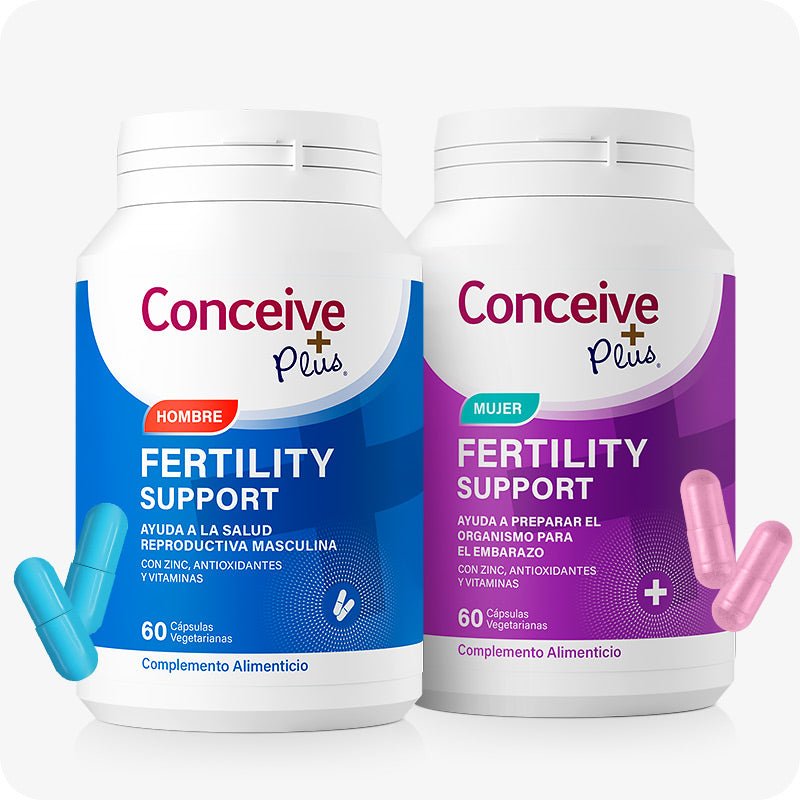
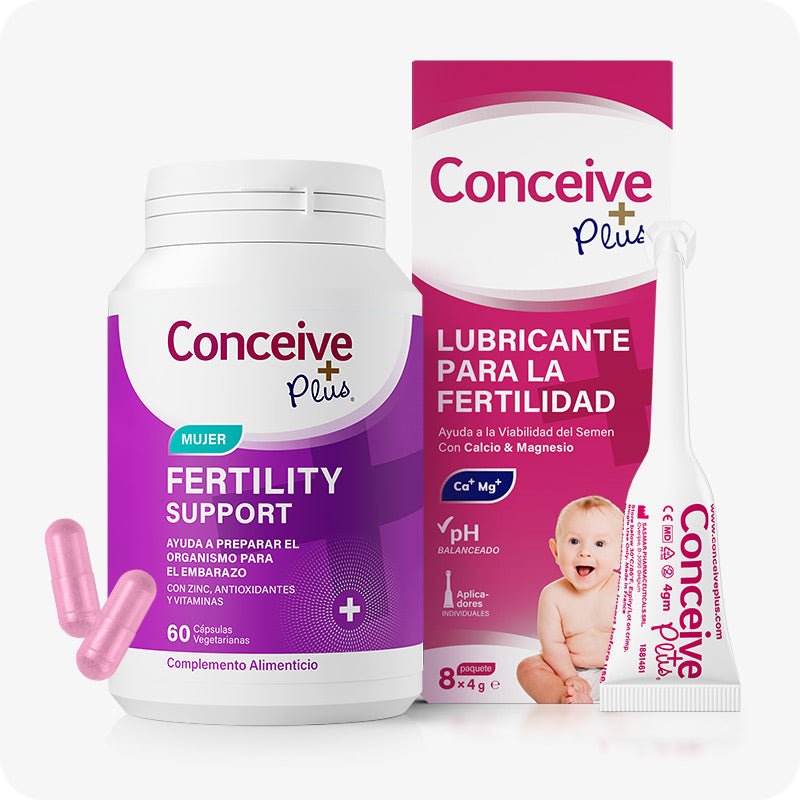
Conceive Plus Women's Fertility Support combines the key nutrients discussed in this guide — including methylfolate, vitamin D, CoQ10, and antioxidants — in a single comprehensive formulation designed to support egg quality, hormonal balance, and overall reproductive health.
Coenzyme Q10: Supporting Egg Quality at the Cellular Level
Coenzyme Q10 (CoQ10, also called ubiquinol in its active form) has become one of the most discussed fertility supplements in recent years, particularly for women with age-related concerns about egg quality. The science behind it is compelling.
The mitochondria connection: Eggs (oocytes) contain more mitochondria than any other cell type in the human body — by some estimates, 10 times more mitochondria than a muscle cell. This is because eggs require enormous amounts of ATP energy for the division processes that follow fertilisation. CoQ10 is an essential component of the mitochondrial electron transport chain, the machinery through which cells generate ATP. Declining CoQ10 levels — which occur naturally with age — are associated with reduced mitochondrial function and compromised egg quality.
Clinical evidence: Multiple studies have investigated CoQ10 supplementation for female fertility, particularly in older women or those with diminished ovarian reserve. A randomised controlled trial published in Fertility and Sterility found that CoQ10 supplementation significantly improved ovarian response and embryo quality in women with diminished ovarian reserve undergoing IVF. Another study found that CoQ10 improved egg maturation rates and fertilisation outcomes. Animal studies have shown remarkable results — supplementation with CoQ10 in older mice reversed aspects of age-related egg quality decline.
Dosing considerations: Clinical fertility studies have typically used doses of 200-600mg per day of CoQ10. The ubiquinol form (reduced CoQ10) is more bioavailable than ubiquinone and may be preferable, particularly at higher doses. Given CoQ10's importance in the months before conception (since follicular development begins 3-4 months before ovulation), early and consistent supplementation is important.
Iron, Iodine, and Other Essential Minerals
Several minerals play critical but sometimes overlooked roles in female fertility and preconception health.
Iron: Iron is essential for ovulation, and iron deficiency — even without full anaemia — has been associated with ovulatory infertility. A large prospective study (the Nurses' Health Study II) found that women who took supplemental iron had a significantly lower risk of ovulatory infertility than those who didn't. Iron supports haemoglobin production for oxygen transport, but it also plays roles in DNA synthesis and cell division relevant to follicular development. Women with heavy periods or vegetarian/vegan diets are at particular risk of iron insufficiency. However, excessive iron can cause oxidative stress, so supplementation is best guided by blood testing.
Iodine: Iodine is essential for thyroid hormone synthesis, and thyroid health is intimately connected to fertility. Both hypothyroidism and hyperthyroidism can impair fertility, disrupt menstrual cycles, and increase miscarriage risk. Iodine deficiency is widespread in Europe, and the thyroid requires iodine not just for thyroid function but also for ovarian health — iodine transporters are expressed in the ovary. Current European guidelines recommend 150mcg of iodine daily for reproductive-age women, increasing to 250mcg during pregnancy and lactation.
Zinc: Often associated primarily with male fertility, zinc is also critical for female reproductive health. Zinc is required for follicular development, egg maturation, and fertilisation. It plays roles in the mitotic and meiotic divisions that eggs must undergo for successful fertilisation. Research has found lower zinc levels in follicular fluid of women with poor-quality embryos compared to those with high-quality embryos. Food sources include meat, shellfish, legumes, and pumpkin seeds.
Selenium: Selenium is an antioxidant mineral that protects eggs and the developing embryo from oxidative damage. It's also essential for thyroid function (which as noted above is critical for fertility). Low selenium status has been associated with recurrent miscarriage and preeclampsia. Brazil nuts are the richest food source, but supplementation ensures consistent intake.
Inositol: Particularly Important for Hormonal Balance
Myo-inositol and d-chiro-inositol are two forms of inositol — a vitamin-like compound involved in insulin signalling and ovarian function — that have generated significant research interest in female fertility.
Inositol and ovulation: Inositol acts as a second messenger in the insulin signalling pathway within ovarian cells. Supplementation has been shown to improve follicular sensitivity to FSH (follicle-stimulating hormone) and support regular ovulation. Research has found that inositol improves several markers of ovarian function and egg quality, particularly in women with polycystic ovary syndrome (PCOS) or insulin resistance.
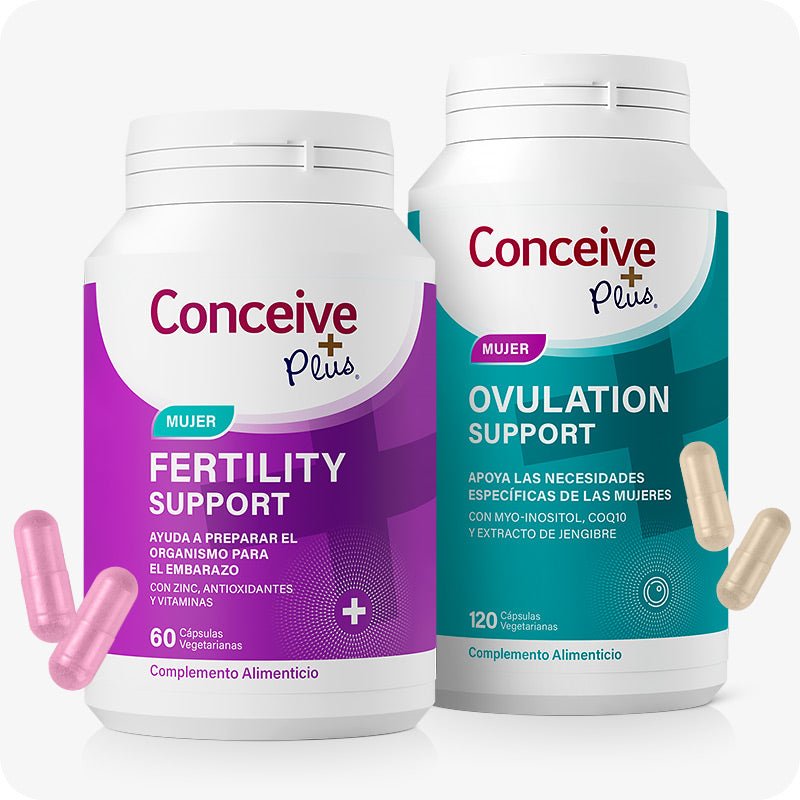
The myo-inositol and d-chiro-inositol ratio: Research has established that a specific ratio of these two forms — typically 40:1 myo-inositol to d-chiro-inositol — mirrors the natural ratio in follicular fluid and optimal for ovarian function. Products formulated with this ratio, such as Conceive Plus Ovulation Support, are designed to work in harmony with natural ovarian physiology.
Broader benefits: Beyond fertility directly, inositol has been shown to improve insulin sensitivity, reduce androgen levels (beneficial in PCOS), support healthy blood sugar regulation, and reduce anxiety — all of which contribute to a better preconception environment.
Omega-3 Fatty Acids and Antioxidant Vitamins
Rounding out the core female fertility supplement protocol are omega-3 fatty acids and key antioxidant vitamins.
Omega-3 (DHA and EPA): These essential fatty acids are critical for reproductive function and early fetal brain development. DHA in particular is concentrated in egg cell membranes, where it supports membrane fluidity essential for fertilisation. Research has found that higher omega-3 intake is associated with better embryo quality and higher implantation rates. DHA is also essential for fetal brain and retina development throughout pregnancy, making it important to establish sufficient levels before conception. The European Food Safety Authority recommends an additional 200mg of DHA daily during pregnancy, but beginning supplementation preconceptionally ensures optimal levels from the earliest stages.
Vitamin C: This potent antioxidant protects eggs and the corpus luteum (which produces progesterone after ovulation) from oxidative damage. Vitamin C levels in follicular fluid are higher than in blood, indicating active accumulation in the reproductive tract. Some research has found that vitamin C supplementation improves progesterone levels in women with luteal phase defects.
Vitamin E: Working synergistically with vitamin C, vitamin E is a fat-soluble antioxidant that protects cell membranes from oxidative damage. Research has associated vitamin E with improved endometrial thickness and receptivity, which may support implantation. It's also essential for normal immune function relevant to the processes of implantation and early pregnancy.
B vitamins (B6, B12): The B vitamin complex, particularly B6 and B12, supports hormonal balance, mood regulation, and the proper metabolism of homocysteine (elevated levels of which have been associated with fertility problems and pregnancy complications). B12 is essential for DNA synthesis and cell division, making it critical in the preconception period, particularly for vegetarians and vegans who are more likely to be deficient.
Building Your Supplement Strategy: Practical Guidance
With all this information, how do you build a practical supplement protocol? The key is starting with a high-quality comprehensive preconception supplement and adding targeted additions based on your individual situation.
A quality comprehensive preconception supplement like Conceive Plus Women's Fertility Support covers the essential bases: methylfolate, vitamin D, CoQ10, omega-3 DHA, iron, zinc, selenium, iodine, B vitamins, and antioxidant vitamins C and E. This one supplement addresses the most common deficiencies and fertility-relevant needs in a single daily formulation.
Individuals with specific concerns may benefit from additional targeted supplementation: women with PCOS may add inositol, those with confirmed vitamin D deficiency may need higher-dose vitamin D correction, and women over 35 concerned about egg quality may consider higher-dose CoQ10. These additions should ideally be discussed with a healthcare provider or registered dietitian.
Equally important is recognising what supplements to avoid or use cautiously: fat-soluble vitamins (A, D, E, K) can accumulate and become toxic at high doses; some herbal supplements marketed for fertility have insufficient evidence or potential interactions; and megadosing any single nutrient without professional guidance is generally inadvisable.
Start Your Preconception Supplement Protocol
Conceive Plus Women's Fertility Support provides a complete science-backed formula for preconception preparation, combining methylfolate, CoQ10, vitamin D, antioxidants, and essential minerals to support egg quality, hormonal health, and reproductive wellbeing.
Frequently Asked Questions About Women's Fertility Supplements
When should I start taking fertility supplements before trying to conceive?
Ideally, begin a preconception supplement protocol 3 months before trying to conceive. This allows time for follicles developing now (which will ovulate in 3 months) to benefit from improved nutritional status. The minimum recommendation for folic acid is at least one month before conception, but earlier is better for all nutrients.
Is there a difference between a prenatal vitamin and a fertility supplement?
Yes, there are meaningful differences. Prenatal vitamins are primarily designed to support nutritional needs during pregnancy, with emphasis on nutrients like folic acid, iron, and calcium. Fertility supplements are specifically formulated for the preconception period, often including fertility-focused nutrients like CoQ10, inositol, and higher antioxidant concentrations that support egg quality and hormonal balance. Some formulations serve both purposes, but checking the specific nutrient profile is worthwhile.
Does CoQ10 actually improve egg quality?
The evidence is promising, particularly for women over 35 or those with diminished ovarian reserve. Multiple clinical studies have found improvements in ovarian response and embryo quality with CoQ10 supplementation. The biological mechanism — supporting mitochondrial energy production in eggs — is well-understood. While more large-scale randomised trials are needed, the evidence base is strong enough that many fertility specialists recommend it for appropriate patients.
Do I need a vitamin D supplement if I live in a sunny climate?
Not necessarily, but vitamin D deficiency is common even in sunnier regions due to sunscreen use, indoor lifestyles, and genetic differences in vitamin D metabolism. The only way to know your status is through a blood test (25-OH vitamin D). If you're in the optimal range (30-60 ng/mL or 75-150 nmol/L), maintenance supplementation of 600-1000 IU may be sufficient; deficiency may require higher doses.
Are there supplements that can help regulate my menstrual cycle?
For women with irregular cycles due to hormonal imbalances, certain supplements have evidence for cycle regulation. Myo-inositol is well-studied for improving cycle regularity in women with PCOS. Vitamin D deficiency is associated with irregular cycles, and correction may help. Agnus castus (vitex) has traditional use for cycle regulation but limited high-quality clinical evidence. B vitamin supplementation supports hormonal metabolism broadly. Any significant cycle irregularity warrants medical evaluation alongside supplement use.
Is it safe to take multiple supplements at the same time?
For most women, taking a comprehensive preconception supplement containing the nutrients discussed is safe and well-tolerated. The risk of excessive intake comes primarily from taking multiple separate high-dose supplements that duplicate each other. Using a single comprehensive supplement and being cautious about additional high-dose supplementation reduces this risk. Always disclose all supplements to your healthcare provider, particularly before any fertility treatments.
What is the best form of folic acid to take?
Methylfolate (5-MTHF) is the most bioavailable form and is appropriate for all women regardless of MTHFR genetic status. Standard folic acid is also effective for most women, but those with MTHFR variants may not convert it efficiently. If you don't know your MTHFR status, methylfolate is the safer choice. Check supplement labels for "methylfolate," "5-MTHF," or "Quatrefolic" to identify products using the methylated form.
Can omega-3 supplements actually improve fertility outcomes?
Research supports a role for omega-3 in fertility. Studies have found associations between higher omega-3 intake and better embryo quality, improved endometrial receptivity, and higher implantation rates. DHA is specifically concentrated in egg cell membranes and plays a structural role in fertilisation. While large-scale randomised trials in natural conception are limited, the biological mechanisms are clear and omega-3 supplementation is broadly beneficial for reproductive and general health.
How long do I need to take fertility supplements before they have an effect?
The full benefit of nutritional supplementation on egg quality takes approximately 3 months to manifest, reflecting the time required for follicular development. However, benefits to hormonal balance, cervical mucus quality, and overall health may be noticed sooner. For consistent reproductive benefit, supplementation should be ongoing throughout the preconception period and ideally continued into pregnancy under obstetric guidance.