Ovulation Tracking: The Complete Guide to Understanding Your Fertile Window


Ovulation Tracking: The Complete Guide to Understanding Your Fertile Window
When you're trying to conceive, understanding your fertile window is one of the most powerful tools at your disposal. Yet despite its importance, ovulation tracking remains a mystery for many women. Research shows that only a fraction of couples correctly identify their fertile days, often leading to unnecessary frustration and delayed conception. The reality is that the human fertile window is remarkably narrow — just six days per cycle — making precise timing essential.
Ovulation tracking is the practice of monitoring your body's signals to pinpoint the days when conception is most likely to occur. Whether you're just starting your TTC (trying to conceive) journey or you've been trying for months, mastering this skill can significantly improve your chances. According to research published in the New England Journal of Medicine, couples who time intercourse around ovulation have conception rates of up to 38% per cycle — compared to much lower rates when timing is left to chance.
This comprehensive guide covers everything you need to know: understanding your cycle, reading your body's ovulation signs, using modern tracking tools, and avoiding common pitfalls. Whether you prefer a high-tech or low-tech approach, you'll find a method that works for you.
Understanding Your Menstrual Cycle and When Ovulation Occurs
Before diving into tracking methods, it helps to understand the biology behind ovulation. Your menstrual cycle is divided into two main phases: the follicular phase (from the first day of your period to ovulation) and the luteal phase (from ovulation to your next period).
The follicular phase varies significantly between women — and even between cycles in the same woman. This is why the "Day 14" rule of thumb is so misleading. A woman with a 28-day cycle may ovulate on Day 14, but a woman with a 32-day cycle may ovulate on Day 18, and someone with a 24-day cycle may ovulate as early as Day 10.
The luteal phase, by contrast, is relatively consistent — typically lasting 12 to 16 days. This means that if your cycle is irregular, it's usually the follicular phase (and therefore the timing of ovulation) that varies, not the time between ovulation and your next period.
Key hormones involved in ovulation:
- FSH (Follicle-Stimulating Hormone): Triggers the development of follicles in the ovaries during the first half of your cycle.
- Oestrogen: Rises as follicles grow, triggering the LH surge.
- LH (Luteinising Hormone): The LH surge — typically occurring 24–48 hours before ovulation — is the most reliable biochemical signal of imminent ovulation.
- Progesterone: Rises sharply after ovulation, confirming that ovulation has occurred.
Understanding these hormonal patterns is the foundation of every ovulation tracking method. Some methods detect the hormonal surge directly (OPKs), while others measure downstream effects on your body (BBT, cervical mucus).
Reading Your Body: Physical Signs of Ovulation
Maximise Your Fertile Window
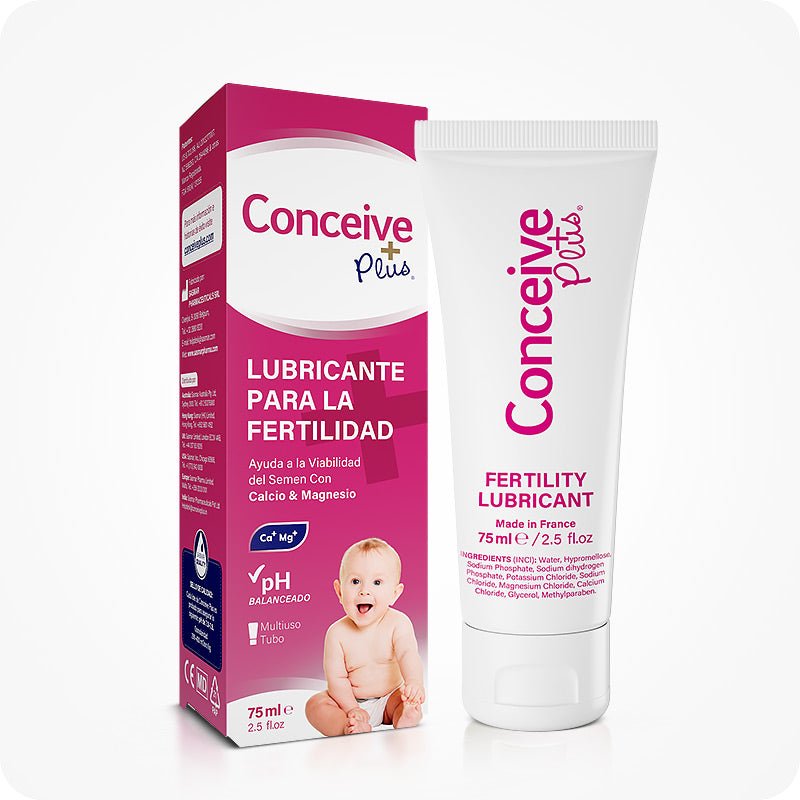
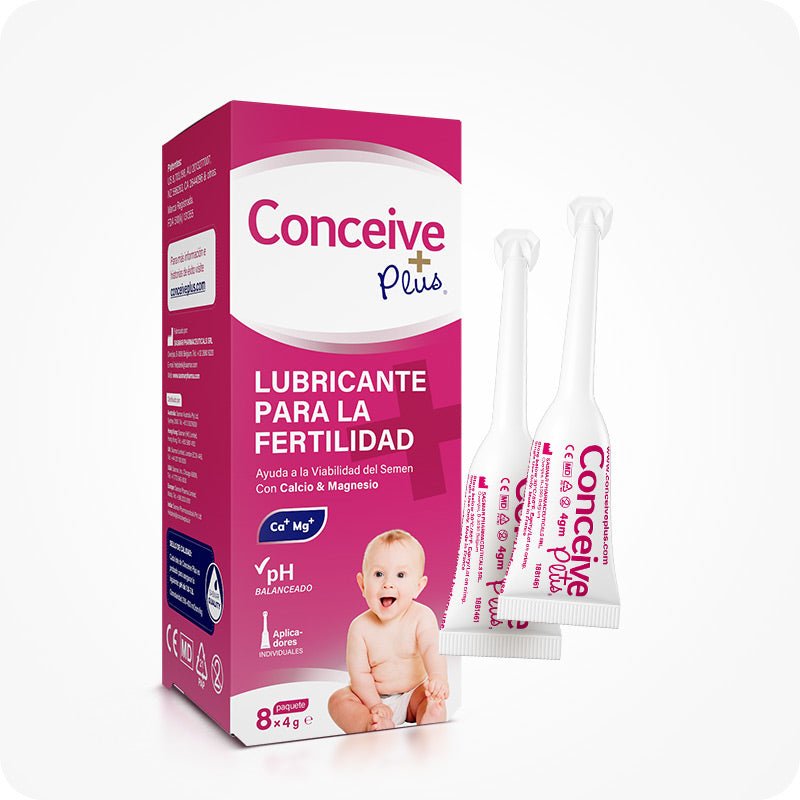
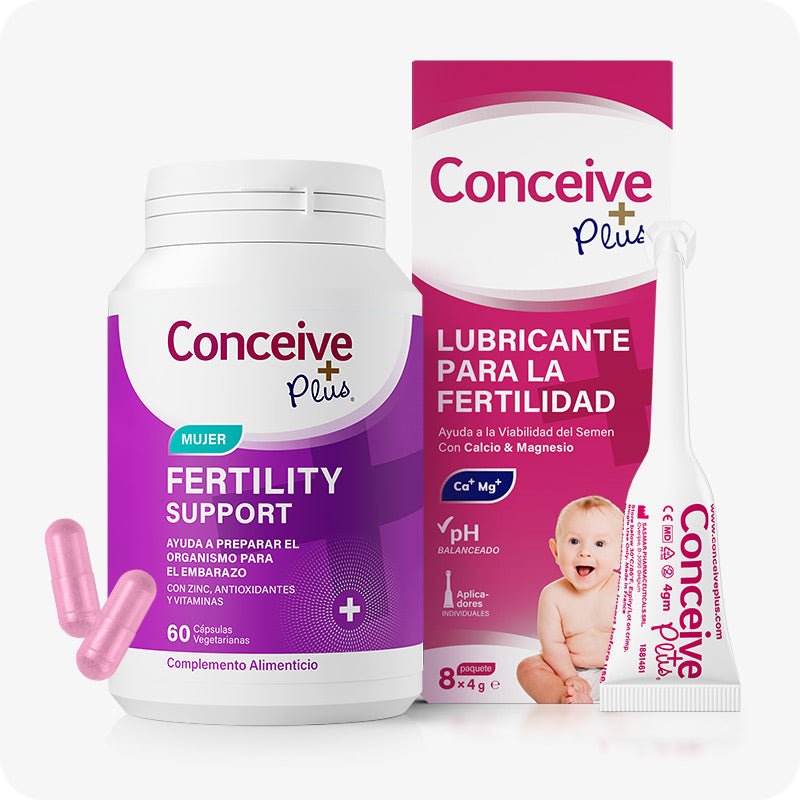
Once you've identified your fertile window, give conception the best possible chance. Conceive Plus fertility-friendly lubricant is pH-balanced and isotonic — designed to support sperm on their journey.
Your body produces a range of observable signs in the days surrounding ovulation. Learning to recognise these can give you valuable early warning — often without any tools or devices.
Cervical Mucus Changes
Cervical mucus (CM) is one of the most reliable and accessible ovulation signs. Throughout your cycle, the consistency and appearance of your vaginal discharge changes in response to oestrogen levels.
- After your period: Little to no discharge; a "dry" feeling.
- Pre-ovulation: Discharge becomes sticky or creamy — sometimes described as lotiony or white.
- Approaching ovulation: Discharge becomes increasingly wet, clear, and stretchy — the classic "egg white cervical mucus" (EWCM) that resembles raw egg white. This fertile-quality mucus can stretch an inch or more between your fingers.
- After ovulation: Discharge returns to a drier, thicker consistency.
The presence of EWCM is your body's signal that ovulation is imminent. This mucus is crucial for conception because it nourishes and protects sperm, helping them survive in the vaginal canal for up to five days. Studies published in Human Reproduction have found that the probability of conception is highest on days when EWCM is present.
Mittelschmerz (Ovulation Pain)
Approximately 20% of women experience a distinctive twinge or cramping sensation on one side of their lower abdomen during ovulation — a phenomenon known as mittelschmerz, from the German for "middle pain." This typically lasts from a few minutes to a few hours and can serve as a helpful natural signal, though it's too subtle for most women to rely on alone.
Other Physical Signs
- Breast tenderness: Some women notice mild breast sensitivity around ovulation due to rising oestrogen.
- Increased libido: Research suggests that women naturally experience higher sexual desire around ovulation — an evolutionary adaptation for reproduction.
- Light spotting: A small amount of pinkish spotting at ovulation is normal for some women, caused by the rupturing of the follicle.
- Bloating: Fluid retention around ovulation can cause mild bloating on one side.
- Heightened senses: Some studies suggest women experience enhanced smell, vision, and hearing around ovulation.
Basal Body Temperature (BBT) Charting: A Powerful Retrospective Tool
Basal body temperature charting is one of the oldest and most scientifically validated methods of ovulation tracking. Your basal body temperature — the lowest temperature your body reaches during rest — rises slightly (0.2–0.5°C, or about 0.4–1.0°F) after ovulation due to the thermogenic effect of progesterone.
How to Chart BBT
To chart your BBT accurately:
- Use a basal thermometer (more precise than a standard thermometer, measuring to two decimal places).
- Take your temperature at the same time every morning, immediately upon waking, before getting up or doing anything else.
- Record your temperature daily in a chart, app, or spreadsheet.
- Look for a sustained rise of at least 0.2°C that lasts for three or more days — this confirms ovulation has occurred.
Important caveat: BBT confirms that ovulation has already happened. Because the egg only survives 12–24 hours after release, your most fertile days are the 2–5 days before the temperature rise, not after. This makes BBT most useful for:
- Identifying your ovulation pattern over multiple cycles.
- Confirming that ovulation is occurring.
- Predicting future fertile windows based on past patterns.
- Detecting potential issues like a short luteal phase (fewer than 10 days between ovulation and your next period).
Factors that can disrupt BBT readings include alcohol, illness, disturbed sleep, travelling across time zones, and taking your temperature at a significantly different time than usual. Always note these disturbances on your chart.
The Coverline Method
Once you have several cycles charted, you can draw a "coverline" — a horizontal line drawn 0.05°C above the highest temperature in the six days before your temperature rise. Once three consecutive temperatures are above the coverline, ovulation is confirmed.
Over time, your BBT chart becomes a rich data source. You can see patterns, identify potential hormonal issues (a very slow rise may indicate insufficient progesterone), and better predict your next cycle's fertile window.
Ovulation Predictor Kits (OPKs): Detecting the LH Surge
Ovulation predictor kits (OPKs) detect the surge of luteinising hormone (LH) in your urine that occurs 24–48 hours before ovulation. They are the most direct way to predict the imminent release of an egg.
How OPKs Work
Standard OPKs use a test line and a control line. Unlike pregnancy tests, where any second line indicates a positive result, an OPK is positive only when the test line is as dark as or darker than the control line. This is because LH is present in urine throughout your cycle — the surge is a relative increase, not an absolute presence.
When to start testing: Subtract 17 from your average cycle length to determine when to start testing. For a 28-day cycle, begin testing on Day 11. For a 32-day cycle, start on Day 15.
Testing frequency: LH surges can be brief — sometimes as short as 12 hours. Testing twice daily (morning and early afternoon) during your fertile window significantly reduces the risk of missing your surge. Avoid testing with your first morning urine, as LH is synthesised overnight and may give a false positive; the early afternoon is generally the best time for a clear reading.
Types of OPKs
- Standard strip tests: The most affordable option. Require careful line comparison.
- Digital OPKs: Show a smiley face or clear/peak indicator, removing subjectivity from line reading. Higher cost but easier to interpret.
- Advanced OPKs (e.g., Clearblue Advanced): Detect both oestrogen (giving "High" fertility days) and LH (giving "Peak" days), extending your identified fertile window to 4–5 days.
- Cycle monitors: Devices like the Clearblue Fertility Monitor or OvaSense track multiple hormones over time, building a personalised picture of your cycle.
OPKs and PCOS
Women with polycystic ovary syndrome (PCOS) may have persistently elevated LH levels throughout their cycle, leading to multiple "positive" OPK readings that don't correspond to actual ovulation. Advanced monitors that also track oestrogen can be more reliable in this situation. Consulting with a healthcare provider about PCOS-specific tracking strategies is recommended.
Fertility Tracking Apps and Wearable Technology
The past decade has seen an explosion of fertility tracking technology, from sophisticated apps to wearable sensors. These tools can be powerful adjuncts to manual tracking methods — but it's important to understand their limitations.
Fertility Apps
Modern fertility apps range from simple cycle calendar trackers to sophisticated symptom-logging platforms that use algorithms to predict ovulation. Popular options include:
- Clue: A period and cycle tracking app that uses statistical algorithms to predict fertile windows.
- Flo: Combines cycle tracking with symptom logging and AI-based predictions.
- Kindara: Designed specifically for fertility awareness method (FAM) users, with detailed BBT charting and CM tracking.
- Ovia Fertility: Comprehensive tracking with health insights geared toward conception.
- Natural Cycles: The first FDA-cleared app for birth control and fertility tracking, using a certified algorithm to analyse BBT data.
Important limitation: Apps that rely solely on calendar algorithms (tracking your cycle length) are the least accurate, particularly for women with irregular cycles. Research published in npj Digital Medicine found that cycle-length-based predictions were inaccurate for up to 46% of menstrual cycles. Apps are most accurate when they integrate actual symptom data — especially BBT and OPK results.
Wearable Fertility Monitors
Wearable technology has taken fertility tracking to new heights:
- Ava Bracelet: Worn at night, measures multiple physiological parameters (skin temperature, heart rate, breathing rate) to identify the fertile window with 89% accuracy in clinical trials.
- Tempdrop: An arm sensor worn during sleep that measures temperature continuously, smoothing out disturbances that affect standard BBT measurements.
- OvaSense: An intravaginal sensor that measures core body temperature throughout the night for highly accurate BBT readings.
These devices are particularly valuable for women with irregular schedules, shift workers, or anyone who finds standard BBT measurement inconvenient.
The Sympto-Thermal Method: Combining Multiple Signs
The sympto-thermal method (STM) combines BBT charting with observation of cervical mucus (and sometimes cervical position) to identify the fertile window from both ends — predicting it in advance using CM changes and confirming its close using BBT. This dual confirmation approach is considered the gold standard of natural family planning and fertility awareness.
Studies on STM effectiveness show that when learned properly and applied consistently, it can identify the fertile window with over 95% accuracy. The Creighton Model and the Billings Ovulation Method are formalised systems based on this approach, often taught by certified instructors.
How to Practice STM
- Track cervical mucus daily: Observe and record the quantity and quality of discharge each day.
- Take BBT daily: Chart your morning temperature before getting up.
- Identify the fertile window: Begin considering yourself potentially fertile on the first day of wet or creamy CM after your dry days.
- Confirm ovulation: Three days of elevated BBT above your coverline confirms ovulation has passed.
Adding OPKs to STM creates the "FABM plus OPK" approach — arguably the most accurate non-invasive ovulation tracking strategy available to the average woman.
Understanding the Fertile Window: When to Time Intercourse
The fertile window spans the five days before ovulation and the day of ovulation itself — a total of six days per cycle. This is because sperm can survive in the reproductive tract for up to five days when fertile-quality cervical mucus is present, while the egg survives only 12–24 hours after release.
Research by Wilcox et al. in the New England Journal of Medicine found that virtually all pregnancies result from intercourse during this six-day window, with the highest probability on the two days before ovulation and on ovulation day itself.
Optimal Timing Strategies
The every-other-day approach: Having intercourse every 1–2 days during the fertile window maintains sperm presence without depleting sperm quality through excessive ejaculation. This is the approach most recommended by reproductive endocrinologists.
The OPK-guided approach: Begin having intercourse when your OPK shows a high reading, and continue through the positive (peak) reading and the day after.
The CM-guided approach: Begin intercourse on the first day of wet or egg-white CM and continue every other day until three days after the CM peak (the last day of EWCM before it becomes thicker again).
What about once a day? Daily intercourse during the fertile window is equally effective as every-other-day for most couples, as long as the male partner's sperm count is normal. For men with low sperm counts, every-other-day spacing may better preserve sperm quality.
Post-Ovulation Timing
It's a common misconception that intercourse immediately after a positive OPK guarantees conception. While timing around ovulation is crucial, remember that an OPK positive precedes ovulation by 12–36 hours. The egg is only viable for 12–24 hours post-ovulation. This brief window underscores why maintaining sperm presence in advance — rather than racing to conceive after confirming ovulation — is the most effective strategy.
Common Ovulation Tracking Mistakes to Avoid
Even women who are diligently tracking can make errors that reduce their accuracy. Here are the most common pitfalls:
1. Relying Only on Cycle Length
Assuming ovulation always occurs on Day 14 — or exactly halfway through your cycle — is one of the most widespread mistakes. Ovulation timing is highly variable, even in women with regular cycles. Always track actual ovulation signs rather than relying on calendar predictions alone.
2. Missing the LH Surge
Testing only once a day, or testing only in the morning, can cause you to miss a brief LH surge. Test twice daily during your expected fertile window for the most reliable results.
3. Not Accounting for Cycle Variability
If your cycles vary by more than a week, start OPK testing earlier than you think necessary. It's better to use a few extra test strips than to miss your window entirely.
4. Stopping Intercourse Too Soon
Some couples stop having intercourse once an OPK turns negative, assuming ovulation has passed. In reality, ovulation may still be hours away after the LH surge begins. Continue until at least one day after your peak OPK reading.
5. Ignoring Stress and Illness
Physical or emotional stress can delay or suppress ovulation — sometimes by days or even weeks. If you're going through a particularly stressful period, your ovulation may occur later than usual. This is a sign to extend your tracking period rather than concluding you didn't ovulate.
6. Misreading BBT Charts
A single high temperature after a series of low temperatures does not confirm ovulation — you need three consecutive elevated temperatures to establish a thermal shift. Don't draw conclusions from one data point.
7. Expecting Textbook-Perfect Signs
Not everyone experiences obvious EWCM, clear LH surges, or distinct BBT shifts. If your signs are subtle or inconsistent, consider using multiple methods simultaneously or consulting a fertility specialist who can confirm ovulation with a blood progesterone test or ultrasound monitoring.
8. Letting Tracking Become a Source of Stress
Research shows that chronic stress can disrupt the hormonal balance required for regular ovulation. While tracking is valuable, obsessive monitoring can itself become counterproductive. Build tracking into your routine rather than letting it dominate your life.
When to Seek Medical Help
Ovulation tracking is a powerful self-help tool, but there are circumstances when professional evaluation is warranted:
- Irregular or absent cycles: Cycles shorter than 21 days or longer than 35 days, or cycles that vary by more than 7–9 days, may indicate an underlying issue such as PCOS, thyroid dysfunction, or hypothalamic amenorrhoea.
- No clear ovulation signs: If you've been tracking for 3–4 cycles and cannot identify any ovulation signs, a blood progesterone test on Day 21 (or 7 days before your expected period) can confirm whether ovulation is occurring.
- Trying for over 12 months (under 35) or 6 months (over 35): Standard medical guidelines recommend evaluation after these timeframes if conception has not occurred despite well-timed intercourse.
- History of irregular periods, pelvic pain, or endometriosis: These warrant earlier evaluation.
A reproductive endocrinologist or fertility specialist can offer blood hormone testing, ultrasound follicle tracking, and other diagnostic tools to give you a clearer picture of your cycle.
Frequently Asked Questions
Q: How long does ovulation actually last?
A: The egg itself survives for only 12–24 hours after being released from the ovary. However, your fertile window extends to 6 days because sperm can survive in fertile-quality cervical mucus for up to 5 days. So while "ovulation" as an event is brief, your ability to conceive spans several days before it.
Q: Can I ovulate more than once in a cycle?
A: It is possible to ovulate twice within a cycle — this is called superfecundation and can theoretically lead to fraternal twins if both eggs are fertilised. However, this double ovulation occurs within a 24-hour window. You cannot ovulate once in the first half of your cycle and again later in the month — once progesterone rises after ovulation, it suppresses further ovulation for that cycle.
Q: I got a positive OPK but my BBT didn't rise. Did I ovulate?
A: An LH surge (positive OPK) strongly predicts but does not guarantee ovulation. In rare cases, the follicle may fail to rupture despite an LH surge — a condition called Luteinised Unruptured Follicle Syndrome (LUFS). If you consistently get positive OPKs without a subsequent BBT rise, mention this to your doctor.
Q: My BBT chart looks "choppy" — is something wrong?
A: Fluctuations in BBT are completely normal. What matters is the overall pattern — a clear biphasic chart with lower temperatures in the first half and higher temperatures in the second half. Individual data points can be affected by poor sleep, alcohol, illness, or timing variations. Looking at the trend over several days is more meaningful than any single reading.
Q: Can stress really delay ovulation?
A: Yes. Psychological stress activates the hypothalamic-pituitary-adrenal (HPA) axis, which can suppress GnRH (gonadotropin-releasing hormone) and delay the LH surge. This is a well-documented phenomenon — extreme stress can cause cycles to lengthen significantly, and in severe cases (such as with eating disorders or overtraining), can suppress ovulation entirely.
Q: How accurate are fertility apps?
A: It depends heavily on the app and the data you input. Calendar-only apps that predict ovulation based on cycle length are among the least accurate, with studies showing errors of several days. Apps that incorporate actual physiological data — BBT readings, OPK results, and CM observations — are substantially more accurate. The best apps learn from your personal data over multiple cycles.
Q: Is it possible to get pregnant right after my period?
A: Yes, particularly for women with shorter cycles. If your cycle is 21–24 days, you may ovulate as early as Day 7 or 8. Since sperm can survive for up to 5 days, intercourse during your period (or immediately after) could potentially result in conception. This is why tracking your actual ovulation signs is far more reliable than calendar-based predictions.
Q: What does dark egg white cervical mucus look like?
A: Egg white cervical mucus (EWCM) is typically clear or slightly cloudy, very wet, and highly elastic — it stretches without breaking when you pull it between two fingers, often stretching an inch or more. It may also appear as a wet, slippery sensation without visible discharge. Some women notice it most clearly on toilet paper or underwear. The key quality is its lubricative, slippery texture.
Q: Should I use lubricant when trying to conceive?
A: Many standard lubricants — including water-based products like KY Jelly — have been shown in research to impair sperm motility and viability. If you use lubricant, choose one specifically formulated to be sperm-friendly, with an optimal pH and osmolarity that matches the reproductive tract and doesn't compromise sperm function.
Q: My cycles are very irregular. Can I still track ovulation effectively?
A: Yes, but calendar-based methods are largely useless for irregular cycles. Focus on direct ovulation signs: cervical mucus and OPKs are your most reliable tools. Start OPK testing early in your cycle (from Day 8–10) and continue until you detect a surge. Tracking CM changes daily will also give you advance warning. BBT charting can help you identify patterns over time, even if each cycle varies. Consider working with a fertility-aware practitioner who can help you interpret your signs.
Understanding your fertile window through systematic ovulation tracking is one of the most empowering steps you can take on your conception journey. By combining multiple tracking methods, being consistent in your observations, and understanding what your body is communicating, you give yourself the best possible foundation for conception. Each cycle is an opportunity to learn more about your unique rhythm — and with the right knowledge, you can approach each fertile window with confidence and precision.
Optimise Every Opportunity to Conceive
Knowing your fertile window is just the first step. Conceive Plus supports the entire conception journey — from tracking to trying.