Sperm Health: The Complete Guide to Understanding and Improving Male Fertility


Sperm Health: The Complete Guide to Understanding and Improving Male Fertility
When couples struggle to conceive, the conversation too often centres exclusively on female fertility. Yet the data tells a different story: male factor infertility is either the primary or contributing cause in approximately 40–50% of all infertility diagnoses. Sperm health — encompassing count, motility, morphology, and DNA integrity — is every bit as important to conception as egg quality and uterine receptivity.
This comprehensive guide explores every dimension of sperm health: what healthy sperm parameters look like, what damages them, and what can be done — through lifestyle changes, nutrition, and targeted supplementation — to optimise sperm quality within the three-month development window that defines your fertile potential.
Understanding Sperm: The Basics
Sperm are produced continuously in the testes in a process called spermatogenesis, which takes approximately 74 days from initial cell division to mature sperm. After production, sperm spend another two to three weeks maturing in the epididymis before becoming capable of fertilising an egg. This means the sperm you'll use for conception tomorrow reflects the lifestyle choices, nutritional status, and environmental exposures of the past three months.
This three-month window is both a biological reality and an opportunity. Changes made to diet, lifestyle, and supplementation today can measurably improve sperm parameters in a semen analysis conducted 90 days from now.
What Makes Sperm Healthy? The Four Key Parameters
Ready to support your fertility journey? Shop Conceive Plus Men's Fertility Supplements →
Sperm Count (Concentration)
Sperm concentration is measured in millions of sperm per millilitre of semen. The World Health Organization (WHO) defines the lower reference limit as 16 million/mL (updated 2021 guidelines), with oligospermia (low sperm count) defined as below this threshold. Optimal fertility is generally associated with counts well above the reference limit.
A man with 20 million sperm/mL produces vastly different reproductive potential than one with 100 million/mL, though other parameters — particularly motility and morphology — matter enormously alongside raw numbers.
Sperm Motility
Motility refers to the ability of sperm to move. The WHO distinguishes between total motility (all moving sperm) and progressive motility (sperm moving forward in a straight line or large circles). Progressive motility is what actually matters for reaching the egg; the 2021 WHO lower reference limit for progressive motility is 30%.
A sperm that cannot swim effectively cannot reach the egg regardless of count. Motility is often the parameter most responsive to lifestyle interventions and targeted supplementation.
Sperm Morphology
Morphology describes the shape and structure of sperm. Normal sperm have a specific oval head, a midpiece, and a tail of defined proportions. Sperm that deviate from this structure are classified as abnormal. The WHO lower reference limit for normal morphology is just 4% using strict Kruger criteria — meaning up to 96% abnormal sperm is considered within the reference range. Higher normal morphology percentages are associated with better natural conception and IVF outcomes.
Sperm DNA Integrity
Less commonly tested but increasingly recognised as important, sperm DNA fragmentation measures the extent of damage within the sperm's genetic material. High DNA fragmentation is associated with implantation failure, miscarriage, and poorer embryo development in IVF — and it can be elevated even when count, motility, and morphology appear normal. Oxidative stress is the primary driver of DNA fragmentation, making antioxidant nutrition particularly important.
What Damages Sperm Health?
Heat Exposure
The testes are located outside the body for a reason: sperm production requires a temperature approximately 2–3°C below core body temperature. Regular exposure to heat — through hot baths, saunas, tight underwear that holds the testes close to the body, or occupations involving prolonged sitting or heat exposure — can meaningfully suppress sperm production.
Practical advice: Switch to loose-fitting underwear (boxers), avoid hot baths and saunas when actively trying to conceive, and be mindful of laptop placement (on laps generates significant heat).
Smoking
Cigarette smoking is one of the most damaging influences on sperm health. Smoking is associated with reduced sperm count, reduced motility, increased morphological abnormalities, and significantly elevated sperm DNA fragmentation. The oxidative stress generated by cigarette smoke is particularly damaging to the sperm cell's mitochondria and DNA.
Quitting smoking is arguably the single most impactful intervention a man can make for sperm health. Sperm parameters show measurable improvement within three months of quitting.
Alcohol
Regular alcohol consumption is associated with lower testosterone levels, reduced sperm count, and poorer motility. Heavy drinking is particularly damaging, but even moderate consumption (more than 14 units per week) shows associations with reduced sperm quality in research literature. Reducing or eliminating alcohol is a straightforward, effective intervention.
Chronic Stress
Psychological stress elevates cortisol and activates systemic inflammatory pathways that can suppress testosterone production and impair spermatogenesis. While the relationship between stress and fertility is complex, there's meaningful evidence that chronic psychological stress negatively impacts sperm parameters — and male partner stress is an often-overlooked factor in fertility workups.
Obesity
Adipose (fat) tissue converts testosterone to oestrogen through a process called aromatisation. Men with significant overweight or obesity often have elevated oestrogen levels relative to testosterone, which impairs sperm production. Obesity is also associated with elevated scrotal temperature (from adipose tissue surrounding the testes) and increased oxidative stress. Weight reduction through healthy eating and exercise consistently improves sperm parameters.
Oxidative Stress
Sperm cells are uniquely vulnerable to oxidative damage because they have very limited antioxidant defences and their membranes are rich in polyunsaturated fatty acids — the most susceptible to oxidative attack. Sources of oxidative stress include environmental pollutants, smoking, alcohol, poor diet, radiation, and infection. Antioxidant nutrition is one of the most important tools for protecting sperm health.
Environmental Toxins
Endocrine-disrupting chemicals (EDCs) — found in certain plastics (BPA), pesticides, industrial chemicals, and personal care products — can interfere with male hormone signalling and impair sperm production. Limiting exposure through food choices (fresh vs. canned food, organic where feasible), water filtration, and avoiding plastic food containers reduces EDC burden.
The Nutritional Blueprint for Sperm Health
Zinc
Zinc is the most studied and arguably most critical mineral for male reproductive health. It's concentrated in the testes at higher levels than almost any other tissue, supports testosterone synthesis, and is a cofactor for enzymes essential to sperm production and maturation. Zinc deficiency is associated with reduced testosterone, lower sperm counts, and elevated DNA fragmentation.
Optimal dietary sources: oysters (by far the richest source), red meat, pumpkin seeds, hemp seeds, cashews, and legumes. Supplementation at 25–40mg daily (not exceeding 40mg without medical supervision) is commonly used in male fertility protocols.
Selenium
Selenium is an essential cofactor for glutathione peroxidase — one of the body's primary antioxidant enzymes, and one that's particularly important in the testes. Selenium deficiency is associated with impaired sperm motility and elevated oxidative stress. Clinical trials have shown selenium supplementation improves sperm motility in infertile men.
CoQ10
Coenzyme Q10 is present in high concentrations in the sperm midpiece, where it powers the flagellar movement that drives motility. Multiple randomised controlled trials have shown CoQ10 supplementation (200–600mg daily) improves sperm count, motility, and morphology in infertile men. It's one of the most evidence-backed supplements for male fertility.
L-Carnitine
L-carnitine and acetyl-L-carnitine are amino acid derivatives concentrated in the epididymis — the sperm maturation organ. They play key roles in sperm energy metabolism and maturation. Clinical studies have shown L-carnitine supplementation improves sperm motility and count in men with oligospermia or asthenospermia (poor motility).
Vitamin C and E
These classic antioxidant vitamins work synergistically to protect sperm from oxidative damage. Vitamin C is present at high concentrations in seminal plasma. A randomised trial found that daily supplementation with vitamin C and E reduced sperm DNA fragmentation by over 50% in men with high baseline fragmentation.
Lycopene
The carotenoid antioxidant found in tomatoes and watermelon is concentrated in testicular tissue. Studies show lycopene supplementation improves sperm concentration and motility, possibly through its particularly potent antioxidant activity and its specific affinity for reproductive tissues.
Omega-3 Fatty Acids
DHA (docosahexaenoic acid) is a critical component of the sperm plasma membrane and is essential for the acrosome reaction — the process that allows sperm to penetrate and fertilise an egg. Men with poor sperm parameters often have lower sperm DHA levels, and supplementation with omega-3 fatty acids has been shown to improve sperm motility and morphology.
Conceive Plus Men's Fertility Support
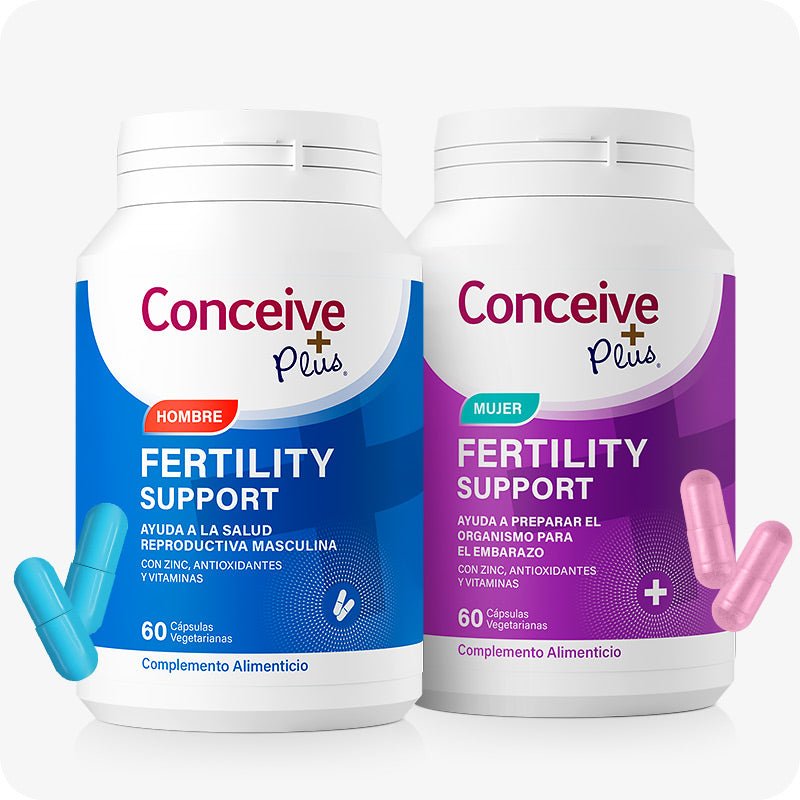
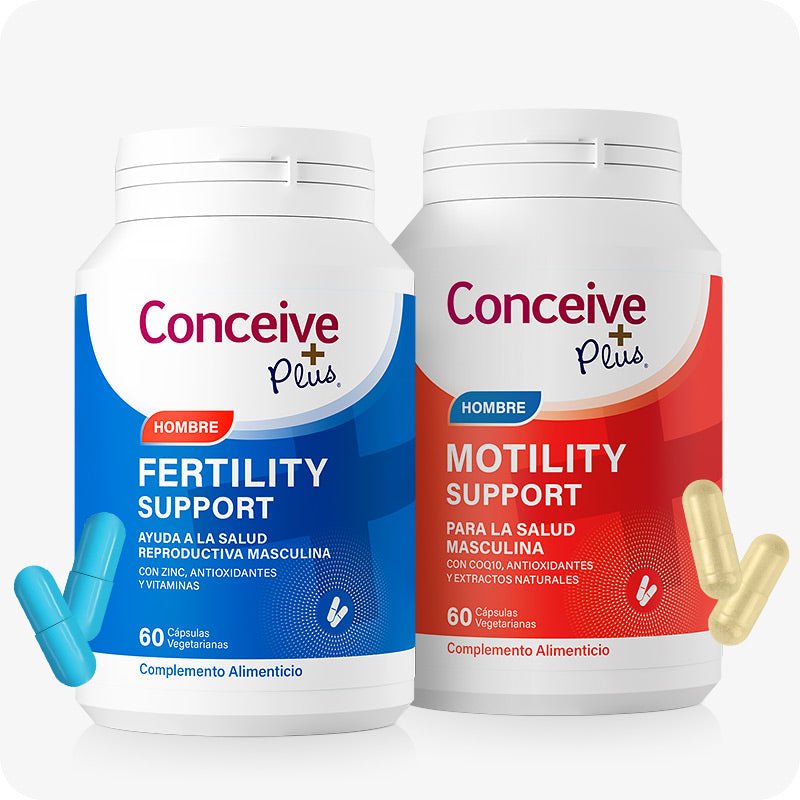
Conceive Plus men's fertility supplements are formulated around this body of evidence, bringing together the key nutrients for sperm health in a single, comprehensive formula. Rather than requiring multiple separate supplements, Conceive Plus combines zinc, selenium, CoQ10, L-carnitine, lycopene, vitamins C and E, and a full spectrum of supporting micronutrients at clinically relevant doses in their most bioavailable forms.
The formula is designed for tolerability as well as efficacy — using chelated mineral forms and avoiding common allergens and unnecessary additives.
👉 Take proactive control of your sperm health. Explore Conceive Plus men's fertility supplements at conceiveplus.eu/collections/fertility-supplements
Exercise and Sperm Health
Regular moderate exercise is associated with better sperm parameters — improved testosterone levels, reduced oxidative stress, and better metabolic health. The key is moderation: both extremes are counterproductive.
Endurance exercise at extreme levels (professional cyclists, marathon runners training at very high volumes) can elevate scrotal temperature, generate excessive oxidative stress, and suppress testosterone through elevated cortisol. A man completing five to seven hours of very high-intensity training per week may see his sperm parameters worsen rather than improve.
The fertility-optimal exercise profile: 30–45 minutes of moderate cardio most days, plus some resistance training, without pushing into the extreme intensity ranges. Walking, cycling (in appropriate shorts, not tight cycling gear), swimming, and strength training are all excellent options.
Sleep and Sperm Health
Testosterone production peaks during sleep, and chronic sleep deprivation is associated with meaningfully lower testosterone levels. Men who consistently sleep fewer than six hours per night show testosterone levels 10–15% lower than those sleeping seven to nine hours. Poor sleep quality and sleep disorders (particularly sleep apnoea) also drive inflammatory pathways that negatively affect sperm production.
Prioritising seven to nine hours of quality sleep is a non-negotiable component of a comprehensive sperm health protocol.
The Timeline: What to Expect
Because sperm development takes approximately 74 days, any lifestyle or supplementation change made today will be reflected in semen analysis results conducted approximately 90 days later. This is important context for managing expectations and commitment:
- Month 1: Changes underway at the cellular level; no visible improvement in current sperm
- Month 2: Sperm being produced under the new conditions are maturing
- Month 3+: New, higher-quality sperm entering the ejaculate; measurable improvements in parameters
This three-month window is why starting early is so important, and why consistency matters more than perfection. A man who starts optimising his sperm health three months before his partner's fertility treatment gives her the best possible chance of using optimal sperm.
Frequently Asked Questions About Sperm Health
How do I know if my sperm is healthy?
The only way to know your sperm parameters is a semen analysis — a lab test that measures count, motility, morphology, and semen volume and pH. Home sperm tests are available but typically measure only count and basic motility; a clinic semen analysis provides more complete information.
Can I improve sperm quality naturally?
Yes, meaningfully. Quitting smoking, reducing alcohol, improving diet, managing body weight, managing heat exposure, reducing stress, and starting appropriate supplementation can all produce measurable improvements in sperm parameters within three months.
How long does it take to improve sperm quality?
Given the 74-day spermatogenesis cycle, give any intervention at least 90 days to show results in a semen analysis. Improvements continue as long as the positive changes are maintained.
Does caffeine affect sperm quality?
Moderate caffeine consumption (1–2 cups of coffee per day) appears to have minimal effect on sperm quality in most men. Very high caffeine intake (5+ cups per day) has been associated with some poorer parameters in certain studies, but the evidence is not conclusive.
Does wearing boxers instead of briefs actually improve sperm count?
There is genuine evidence that men who consistently wear tight underwear have higher scrotal temperatures and somewhat lower sperm parameters than those wearing loose-fitting underwear. The effect size is modest but real and, uniquely, is one of the easiest changes to make.
Can male fertility supplements really make a difference?
Yes. Zinc, selenium, CoQ10, L-carnitine, and antioxidant vitamins all have randomised controlled trial evidence supporting improvements in sperm parameters. The strength of evidence varies by supplement and parameter, but the overall evidence base for targeted male fertility supplementation is solid.
At what age does male fertility decline?
Unlike female fertility, which has a cliff-like decline after 35, male fertility declines more gradually. However, sperm DNA fragmentation increases and testosterone production decreases from around age 40. Men over 40 benefit from the same sperm-optimising strategies, with perhaps even greater emphasis on antioxidant protection.
Conclusion: Take Charge of Your Sperm Health
Sperm health is not fixed. Unlike eggs, which a woman is born with and cannot produce more of, sperm are produced continuously — giving men a genuine opportunity to improve their reproductive potential through targeted lifestyle changes, nutritional optimisation, and supplementation.
The three-month sperm development cycle means that starting now is the most important step. Three months of consistent, evidence-based intervention can transform sperm parameters and meaningfully improve the odds of conception for you and your partner.
Conceive Plus is here to support that journey — with men's fertility supplements formulated specifically around the nutritional science of sperm health, and a range of products designed for the whole fertility journey.
👉 Start your sperm health optimisation today. Explore the full Conceive Plus range at conceiveplus.eu/collections/fertility-supplements
Ready to support your fertility journey? Shop Conceive Plus Men's Fertility Supplements →